English
 Español
 tiếng việt
 русский
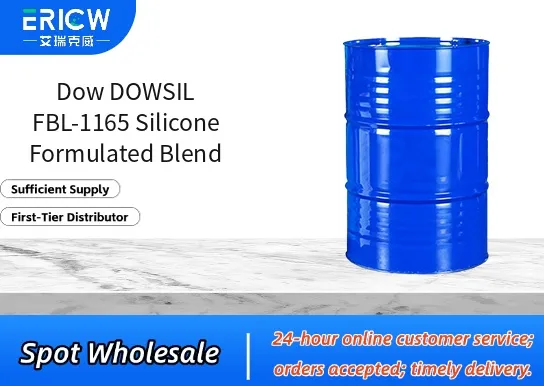
Engineered silicone-based formulation offering excellent thermal stability across a wide operating temperature range.
Provides superior electrical insulation properties with low dielectric loss and high volume resistivity.
Designed for easy processing—exhibits good flow characteristics and compatibility with common industrial mixing and dispensing equipment.
Offers outstanding resistance to moisture, ozone, UV radiation, and aging under harsh environmental conditions.
Non-corrosive to metals and compatible with various elastomers and plastics commonly used in electronic and industrial assemblies.
Encapsulation and potting of power electronics, including IGBT modules and LED drivers.
Thermal interface material (TIM) for heat dissipation in electric vehicle battery management systems (BMS).
Protective coating for sensors and control units exposed to high-temperature or high-humidity environments.
Dielectric filling compound in high-voltage transformers and renewable energy inverters.
Sealing and bonding component in aerospace avionics housings requiring long-term reliability.
| Chemical Type | Heat-curable silicone polymer blend |
| Product Form | Paste (two-component, A+B system) |
| Appearance | Off-white to light gray viscous paste |
| Primary Applications | Electrical encapsulation, thermal management, protective coating |
| Key Features | High thermal stability, low ionic impurities, UL 94 V-0 rated (cured) |
| Benefits | Extended service life in demanding environments, reduced risk of electrochemical migration |
| Cure System | Platinum-catalyzed addition cure |
| Storage Conditions | 2–8 °C; protect from moisture and direct sunlight |
Q1: What is the primary function of DOWSIL FBL-1165 in polymer systems?
A: DOWSIL FBL-1165 is a silicone-based formulated blend designed to enhance surface properties—such as slip, mar resistance, and gloss control—in thermoplastic and thermoset polymer systems. It functions primarily as a processing aid and surface modifier, improving melt flow and reducing friction during extrusion or molding.
Q2: Is DOWSIL FBL-1165 compatible with common engineering resins like polypropylene, ABS, and polycarbonate?
A: Yes, DOWSIL FBL-1165 is broadly compatible with a range of thermoplastics including polyolefins, styrenics, and engineering resins. Compatibility should be verified through small-scale formulation trials, as performance may vary depending on resin grade, additives present, and processing conditions.
Q3: How is DOWSIL FBL-1165 typically incorporated into polymer formulations?
A: It is commonly added via dry-blend or masterbatch dilution prior to extrusion or injection molding. Due to its low-viscosity liquid nature, it disperses readily in molten polymer; dosage generally ranges from 0.1% to 2% by weight, depending on the desired surface effect and base resin.
Q4: Does DOWSIL FBL-1165 affect the mechanical properties of the final part?
A: At typical use levels, DOWSIL FBL-1165 has minimal impact on tensile strength, impact resistance, or heat deflection temperature. However, excessive loading may reduce interfacial adhesion or affect crystallinity in semi-crystalline polymers—formulation optimization is recommended for critical performance requirements.
Q5: Can DOWSIL FBL-1165 be used in applications requiring regulatory compliance for food contact or medical devices?
A: DOWSIL FBL-1165 is not pre-approved for direct food-contact or implantable medical applications. Customers intending such use must conduct full regulatory evaluation—including migration testing and toxicological review—based on their specific formulation, processing, and end-use conditions.
Contact With Us:
E-mail: wangxingqiang@ericwchem.com
Have a Questions? Call Us:
Add:
Building A1, Jiete Industrial Park, Huangpu District, Guangzhou City, Guangdong Province, China