English
 Español
 tiếng việt
 русский
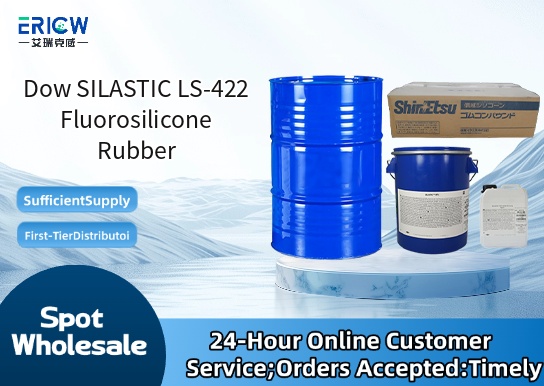
Excellent resistance to fuels, lubricants, and aggressive hydrocarbon-based fluids across wide temperature ranges.
Retains superior low-temperature flexibility down to –55 °C (–67 °F) without compromising chemical resistance.
Enhanced compression set resistance compared to standard silicone elastomers, ensuring long-term sealing integrity.
Good electrical insulation properties stable over time and under thermal stress.
Processable via conventional high-temperature vulcanization (HTV) methods including compression, injection, and transfer molding.
Aerospace fuel system seals and gaskets exposed to jet fuels (e.g., JP-8, Jet A) and synthetic lubricants.
Automotive under-hood components requiring resistance to engine oils, transmission fluids, and exhaust gas recirculation (EGR) environments.
Oil & gas downhole instrumentation seals subjected to sour service (H₂S), crude oil, and drilling muds.
Industrial fluid-handling systems including pumps, valves, and connectors in chemical processing plants.
Medical device components requiring biocompatibility support and resistance to sterilization agents and cleaning solvents.
| Chemical Type | Fluorosilicone elastomer (FVMQ) |
| Product Form | High-consistency gum stock (uncured compound) |
| Appearance | Opaque, uniform colored rubber sheet or slab |
| Primary Applications | Static and dynamic seals, gaskets, diaphragms, and molded parts |
| Key Features | Fuel/oil resistance, low-temperature flexibility, compression set resistance |
| Benefits | Extended service life in harsh chemical environments, reduced maintenance frequency |
| Curing System | Peroxide-curable (requires high-temperature vulcanization) |
| Processing Compatibility | Compatible with standard silicone rubber processing equipment |
Contact With Us:
E-mail: wangxingqiang@ericwchem.com
Have a Questions? Call Us:
Add:
Building A1, Jiete Industrial Park, Huangpu District, Guangzhou City, Guangdong Province, China