English
 Español
 tiếng việt
 русский
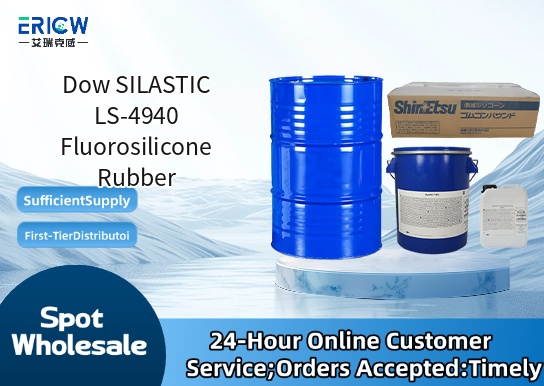
Excellent resistance to fuels, lubricants, and aggressive hydrocarbon-based chemicals.
Broad service temperature range from –65 °C to +200 °C (–85 °F to +392 °F) with retained elasticity.
Superior compression set resistance compared to standard silicone elastomers.
Good low-temperature flexibility and weathering stability.
Platinum-cured formulation enabling consistent, reproducible vulcanization without byproducts.
Aerospace fuel system seals and gaskets exposed to jet fuels and synthetic lubricants.
Automotive under-hood components requiring resistance to engine oils and transmission fluids.
Oil & gas downhole instrumentation seals subjected to sour gas and hydrocarbon exposure.
Industrial fluid-handling systems operating with aromatic solvents and chlorinated hydrocarbons.
Medical device components requiring biocompatibility support and chemical inertness.
| Chemical Type | Fluorosilicone elastomer (FVMQ) |
| Product Form | Two-part liquid silicone rubber (LSR), Part A + Part B |
| Appearance | Translucent to slightly hazy viscous liquid |
| Base Polymer | Fluoroalkyl-substituted poly(methylvinylsiloxane) |
| Cure System | Pt-catalyzed hydrosilylation |
| Shore A Hardness (Cured) | 40 ± 3 |
| Density (g/cm³) | 1.25–1.30 |
| Primary Applications | Static and dynamic sealing in chemically aggressive environments |
Contact With Us:
E-mail: wangxingqiang@ericwchem.com
Have a Questions? Call Us:
Add:
Building A1, Jiete Industrial Park, Huangpu District, Guangzhou City, Guangdong Province, China