English
 Español
 tiếng việt
 русский
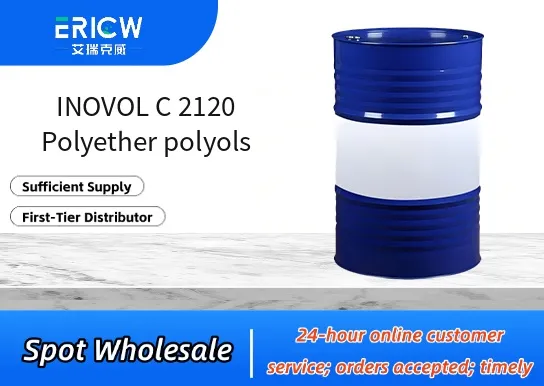
Highly consistent molecular weight distribution for excellent process stability in polyurethane synthesis.
Low monool content ensuring superior crosslink density and mechanical performance in final foams and elastomers.
Optimized hydroxyl functionality (f ≈ 2.05–2.15) for balanced reactivity and dimensional stability.
Excellent compatibility with aromatic isocyanates (e.g., MDI, TDI) and common catalysts and surfactants.
Low volatile organic compound (VOC) profile, supporting low-emission PU formulations compliant with industrial hygiene standards.
Flexible slabstock polyurethane foam for bedding and furniture manufacturing.
High-resilience (HR) molded foam used in automotive seating and premium upholstery.
Integral skin foam for automotive armrests, dash components, and durable consumer goods.
Microcellular elastomers for gasketing, sealing, and vibration-damping applications.
Reaction injection molding (RIM) systems requiring fast demold times and high green strength.
| Chemical Type | Propylene oxide/ethylene oxide-capped polyether triol |
| Product Form | Liquid |
| Appearance | Clear, colorless to pale yellow, homogeneous liquid |
| Hydroxyl Number (mg KOH/g) | 208–216 |
| Functionality (f) | 2.05–2.15 |
| Viscosity at 25°C (mPa·s) | 2,800–3,600 |
| Water Content (wt%) | ≤ 0.05 |
| pH (10% aqueous solution) | 5.5–7.0 |
Contact With Us:
E-mail: wangxingqiang@ericwchem.com
Have a Questions? Call Us:
Add:
Building A1, Jiete Industrial Park, Huangpu District, Guangzhou City, Guangdong Province, China