English
 Español
 tiếng việt
 русский
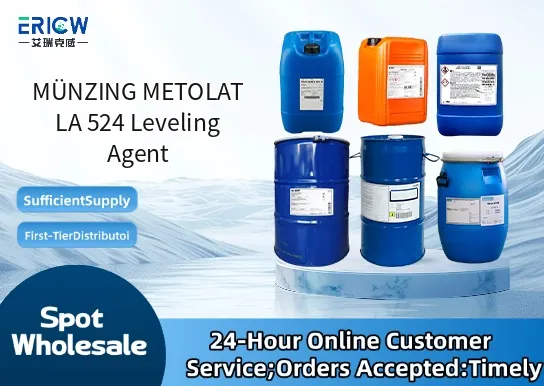
High-efficiency surface tension reduction for exceptional flow and leveling in solvent-borne and high-solids coatings.
Low foaming profile ensures compatibility with high-speed industrial coating processes without compromising air release.
Excellent thermal and hydrolytic stability, supporting robust performance during baking and ambient curing stages.
Non-silicone chemistry prevents intercoat adhesion issues and eliminates silicone-related defects such as craters or fish-eyes.
Easy incorporation at low dosage levels (typically 0.1–0.5 wt% on total formulation), enabling cost-effective dosing and broad formulation flexibility.
Automotive OEM and refinish topcoats (e.g., basecoats, clearcoats).
Industrial maintenance coatings for metal substrates, including machinery and agricultural equipment.
General-purpose solvent-borne decorative paints for architectural and furniture applications.
High-solids coil coatings requiring uniform film formation and defect-free appearance.
Plastic coatings for automotive interior parts and consumer electronics housings.
| Chemical Type | Modified acrylic copolymer |
| Product Form | Liquid |
| Appearance | Pale yellow to light amber, clear liquid |
| Solubility | Miscible with common organic solvents (e.g., xylene, butyl acetate, MEK) |
| Density (20 °C) | Approx. 0.92–0.95 g/cm³ |
| Viscosity (25 °C) | Approx. 20–50 mPa·s (Brookfield LV, spindle #1) |
| Flash Point (PMCC) | Approx. 65 °C |
| Storage Stability | Stable for ≥12 months in sealed containers at 5–30 °C |
Contact With Us:
E-mail: wangxingqiang@ericwchem.com
Have a Questions? Call Us:
Add:
Building A1, Jiete Industrial Park, Huangpu District, Guangzhou City, Guangdong Province, China