English
 Español
 tiếng việt
 русский
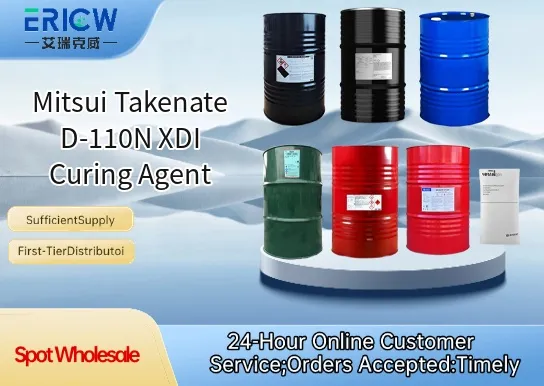
Low-viscosity aliphatic polyisocyanate based on hexamethylene diisocyanate (HDI) trimer chemistry.
Excellent weather resistance and UV stability, enabling long-term gloss and color retention in outdoor applications.
Fast ambient-cure capability with balanced pot life for efficient production workflows.
Low monomer content (<0.5%) ensures compliance with stringent occupational health and safety regulations.
Compatible with a broad range of hydroxyl-functional resins including acrylics, polyesters, and polycarbonates.
High-performance automotive clearcoats and basecoats.
Industrial maintenance coatings for machinery and infrastructure.
Architectural metal and coil coatings requiring durability and aesthetic consistency.
Precision plastic coatings for electronics housings and consumer appliances.
Wood finishing systems demanding hardness, chemical resistance, and clarity.
| Chemical Type | Aliphatic HDI-based polyisocyanate (trimer) |
| Product Form | Liquid |
| Appearance | Clear, pale yellow liquid |
| NCO Content (wt%) | 13.8–14.2% |
| Viscosity at 25°C (mPa·s) | 1,800–2,200 |
| Density at 25°C (g/cm³) | 1.17–1.19 |
| Flash Point (PMCC, °C) | 145–150 |
| Storage Stability (unopened, 25°C) | ≥12 months |
Q1: What is the primary chemical nature of Mitsui Takenate D-110N?
A: Mitsui Takenate D-110N is a low-viscosity, aliphatic polyisocyanate curing agent based on hexamethylene diisocyanate (HDI) trimer chemistry, modified with xylene diisocyanate (XDI) functionality to balance reactivity, pot life, and film performance.
Q2: How does D-110N differ from standard HDI trimer curing agents in coating applications?
A: The incorporation of XDI-derived moieties enhances compatibility with certain hydroxyl-functional resins and improves resistance to yellowing under UV exposure compared to conventional aromatic isocyanates, while retaining good weatherability and mechanical properties typical of aliphatic systems.
Q3: What are the recommended storage conditions for D-110N?
A: Store in tightly sealed containers under dry, cool conditions (below 30 °C), protected from moisture, direct sunlight, and strong oxidizing agents. Prolonged exposure to humidity may cause gelation or viscosity increase due to urea formation.
Q4: Is D-110N suitable for high-solids or solvent-free coating formulations?
A: Yes — its relatively low viscosity and controlled reactivity make it well-suited for high-solids 2K polyurethane coatings. It can also be incorporated into carefully designed low-VOC or solvent-free systems when paired with compatible polyols and rheology modifiers.
Contact With Us:
E-mail: wangxingqiang@ericwchem.com
Have a Questions? Call Us:
Add:
Building A1, Jiete Industrial Park, Huangpu District, Guangzhou City, Guangdong Province, China