English
 Español
 tiếng việt
 русский
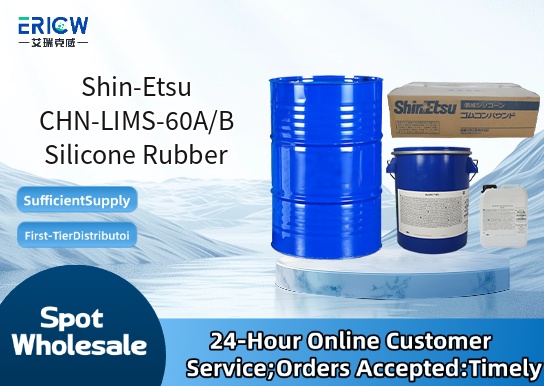
Two-part, addition-cure liquid silicone rubber system with excellent processability and low viscosity for easy dispensing and mold filling.
High thermal stability and long-term reliability over a wide operating temperature range (–50 °C to +200 °C).
Low compression set and outstanding elasticity retention after prolonged thermal aging.
Excellent electrical insulation properties and UL 94 V-0 flammability rating (when formulated with appropriate fillers).
Biocompatibility compliant with ISO 10993-5 (cytotoxicity) and USP Class VI requirements for medical-grade applications.
Medical devices including implantable components, catheters, and wearable sensor housings.
Automotive sensors, gaskets, and sealing elements exposed to high-temperature under-hood environments.
Consumer electronics encapsulation and protective overmolding for flexible circuits and connectors.
Industrial fluid handling components such as diaphragms, valves, and pump parts requiring chemical resistance.
LED lighting encapsulants and optical lenses benefiting from high transparency and UV stability.
| Chemical Type | Platinum-catalyzed addition-cure silicone rubber |
| Product Form | Two-component liquid (Part A: base polymer; Part B: crosslinker/catalyst) |
| Appearance | Part A: translucent, low-viscosity liquid; Part B: translucent, low-viscosity liquid |
| Primary Applications | Medical device manufacturing, automotive sealing, electronics encapsulation |
| Key Features | Low shrinkage, excellent flowability, fast cure at elevated temperatures |
| Benefits | Reduced cycle time, high dimensional accuracy, minimal post-cure requirement |
| Cure System | Heat-activated addition cure (typical: 150 °C × 5 min) |
| Shelf Life | 12 months at ≤25 °C (unopened, original packaging) |
Contact With Us:
E-mail: wangxingqiang@ericwchem.com
Have a Questions? Call Us:
Add:
Building A1, Jiete Industrial Park, Huangpu District, Guangzhou City, Guangdong Province, China