English
 Español
 tiếng việt
 русский
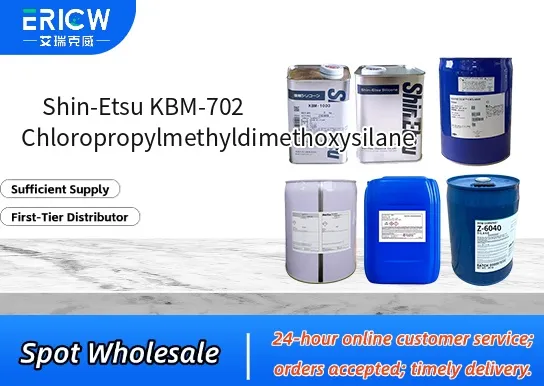
Reactive bifunctional silane with both hydrolyzable methoxy groups and an electrophilic chloropropyl moiety for covalent bonding to organic polymers.
Enables strong interfacial adhesion between inorganic fillers (e.g., silica, glass) and chlorinated or polar thermoplastics/elastomers.
Improved hydrolytic stability compared to trialkoxysilanes due to the presence of only two methoxy groups and a sterically hindered methyl group.
Facilitates efficient surface modification of minerals and pigments without requiring high-temperature curing.
Compatible with common industrial processing methods including extrusion, injection molding, and solution-based coating.
Adhesion promoter in chlorinated polyethylene (CPE) and chlorosulfonated polyethylene (CSPE) cable jacketing compounds.
Surface treatment agent for silica-filled silicone rubber composites requiring enhanced tear strength and dielectric performance.
Functional additive in flame-retardant PVC formulations containing alumina trihydrate (ATH) or magnesium hydroxide.
Interfacial coupling agent for glass fiber-reinforced thermoplastic polyesters (e.g., PET, PBT) in automotive under-hood components.
Modifier for pigment dispersions in solvent-borne industrial coatings targeting improved gloss retention and weather resistance.
| Chemical Type | Chloropropyl-functional dimethoxysilane |
| Product Form | Liquid |
| Appearance | Colorless to pale yellow clear liquid |
| Specific Gravity (25°C) | 1.06–1.08 g/cm³ |
| Refractive Index (25°C) | 1.435–1.445 |
| Boiling Point (760 mmHg) | 220–230°C (decomposes) |
| Flash Point (Tag Closed Cup) | 95–105°C |
| Storage Stability (unopened, 25°C) | ≥12 months |
Contact With Us:
E-mail: wangxingqiang@ericwchem.com
Have a Questions? Call Us:
Add:
Building A1, Jiete Industrial Park, Huangpu District, Guangzhou City, Guangdong Province, China