English
 Español
 tiếng việt
 русский
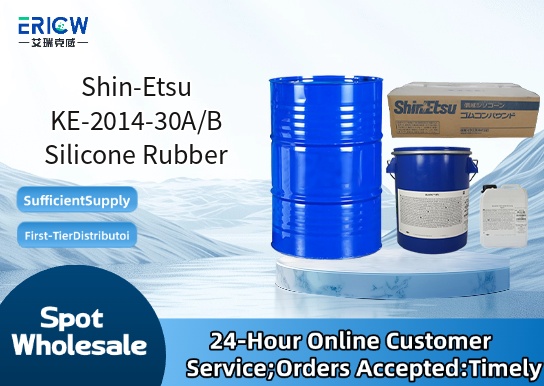
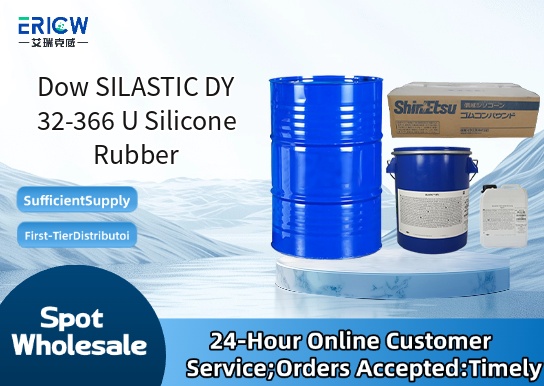
Two-part, addition-cure liquid silicone rubber system offering excellent processability and low viscosity for easy mixing and degassing.
High thermal stability with continuous service temperature up to 200 °C and outstanding long-term aging resistance.
Exceptional electrical insulation properties, including high dielectric strength and low dissipation factor across wide frequency and temperature ranges.
Excellent compression set resistance and mechanical resilience after prolonged thermal exposure.
Low shrinkage and high dimensional stability during curing, ensuring precise replication of fine mold details.
High-voltage insulators and bushings for power transmission and distribution equipment.
Sealing and encapsulation components in automotive electronic control units (ECUs) and sensors.
Medical device housings and gaskets requiring biocompatibility support (ISO 10993 tested).
Industrial automation components exposed to elevated temperatures and harsh environmental conditions.
LED lighting encapsulants and optical lenses where thermal management and UV stability are critical.
| Chemical Type | Platinum-catalyzed addition-cure silicone rubber |
| Product Form | Two-component liquid (Part A: base polymer + filler; Part B: crosslinker + catalyst) |
| Appearance | Part A: translucent off-white viscous liquid; Part B: translucent pale yellow viscous liquid |
| Base Polymer | Dimethylvinylsiloxy-terminated polydimethylsiloxane |
| Curing System | Pt-catalyzed hydrosilylation (Si–H + Si–Vi → Si–CH2–CH2–Si) |
| Mixing Ratio (A:B) | 10:1 by weight |
| Cure Conditions | 150 °C for 5 minutes (or 100 °C for 60 minutes) |
| Shore A Hardness (ASTM D2240) | 30 ± 2 |
Contact With Us:
E-mail: wangxingqiang@ericwchem.com
Have a Questions? Call Us:
Add:
Building A1, Jiete Industrial Park, Huangpu District, Guangzhou City, Guangdong Province, China