English
 Español
 tiếng việt
 русский
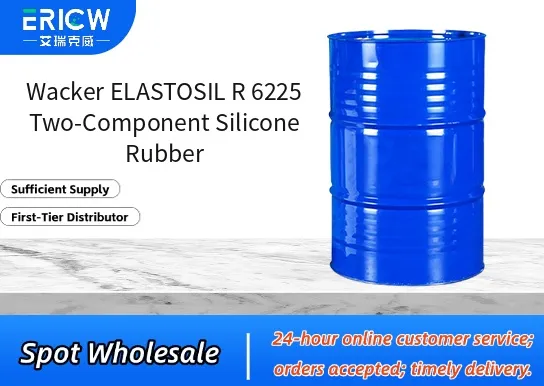
Platinum-catalyzed addition-cure system ensuring excellent shelf stability and precise pot life control.
Low viscosity before curing enables easy mixing, degassing, and high-fidelity replication of fine mold details.
Exceptional tear strength and elongation at break for durable, flexible elastomeric parts after vulcanization.
Excellent thermal stability with continuous service capability from –60 °C to +180 °C.
Biocompatibility compliant with USP Class VI and ISO 10993-5 testing protocols for medical-grade applications.
Medical device components including respiratory masks, seals, and wearable sensor housings.
High-precision silicone molds for prototyping and low-volume production of polyurethane or epoxy parts.
Soft-touch overmolding on plastic or metal substrates in automotive interior and consumer electronics.
Sealing gaskets and vibration-damping elements in industrial equipment requiring long-term compression set resistance.
Custom extruded profiles for food-contact and pharmaceutical processing equipment (FDA-compliant formulation).
| Chemical Type | Platinum-catalyzed addition-cure silicone rubber |
| Product Form | Two-component liquid system (Part A + Part B) |
| Appearance (Mixed) | Translucent, low-viscosity liquid |
| Mixing Ratio (by weight) | 1:1 (A:B) |
| Curing Method | Heat-cure (e.g., 150 °C for 5–10 min) or room-temperature post-cure |
| Shore A Hardness (cured) | 25 ± 3 |
| Tensile Strength (cured) | 4.5–5.5 MPa |
| Elongation at Break (cured) | ≥ 450 % |
Contact With Us:
E-mail: wangxingqiang@ericwchem.com
Have a Questions? Call Us:
Add:
Building A1, Jiete Industrial Park, Huangpu District, Guangzhou City, Guangdong Province, China