English
 Español
 tiếng việt
 русский
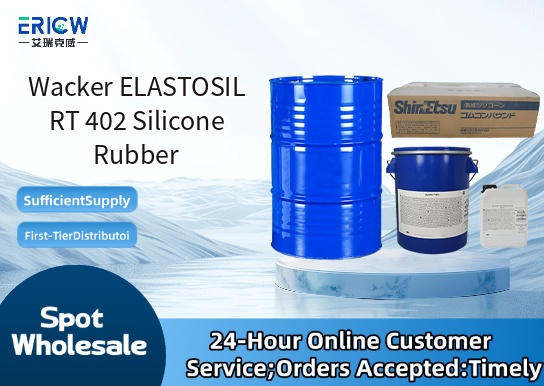
Two-component, addition-cure liquid silicone rubber with excellent flowability and low viscosity for precise mold filling.
High tear strength and outstanding elongation at break, ensuring durability in dynamic sealing and flexible part applications.
Excellent thermal stability with continuous service temperature range from –60 °C to +180 °C.
Low compression set and superior resistance to aging, ozone, and UV radiation.
Biocompatibility compliant with ISO 10993–5 and USP Class VI (upon proper post-cure), suitable for medical device prototyping.
Medical device components including seals, gaskets, tubing connectors, and wearable sensor housings.
Automotive under-hood seals, vibration dampers, and fluid-handling components exposed to extreme temperatures.
Consumer electronics encapsulation and protective overmolding for buttons, wearables, and haptic interfaces.
Industrial precision gaskets and soft-touch ergonomic grips requiring high tactile consistency and long-term resilience.
Prototyping and low-volume production of flexible parts via vacuum casting or injection molding.
| Chemical Type | Platinum-catalyzed addition-cure liquid silicone rubber (LSR) |
| Product Form | Two-component (Part A: base; Part B: catalyst), supplied separately |
| Appearance | Translucent, low-viscosity liquid (Part A); colorless to pale yellow liquid (Part B) |
| Mix Ratio (A:B) by Weight | 10:1 |
| Cure System | Addition cure (hydrosilylation), no by-products |
| Shore A Hardness (7 days, 23 °C) | 40 ± 2 |
| Elongation at Break (ISO 37) | ≥ 500 % |
| Tensile Strength (ISO 37) | ≥ 6.5 MPa |
Contact With Us:
E-mail: wangxingqiang@ericwchem.com
Have a Questions? Call Us:
Add:
Building A1, Jiete Industrial Park, Huangpu District, Guangzhou City, Guangdong Province, China