English
 Español
 tiếng việt
 русский
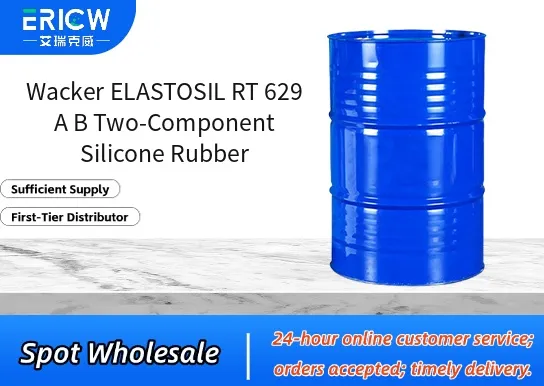
Excellent tear strength and elongation at break for demanding mechanical performance.
Low viscosity before curing enables easy mixing, degassing, and mold filling—even for intricate geometries.
Platinum-catalyzed addition-cure system ensures high thermal stability and minimal shrinkage.
Biocompatibility compliant with ISO 10993-5 and USP Class VI (when fully cured).
Shore A hardness of ~60 after full cure provides optimal balance of flexibility and resilience.
Medical device components including seals, gaskets, and wearable sensor housings.
High-precision silicone molds for prototyping and low-volume production of polyurethane or epoxy parts.
Soft-touch overmolding on electronic enclosures and handheld medical instruments.
Sealing elements in pharmaceutical processing equipment requiring cleanroom compatibility.
Custom elastomeric parts for automotive interior sensors and HVAC actuators.
| Chemical Type | Platinum-catalyzed addition-cure liquid silicone rubber (LSR) |
| Product Form | Two-component liquid system (Part A + Part B) |
| Appearance (uncured) | Translucent, low-viscosity liquids (Part A: colorless; Part B: pale yellow) |
| Mixing Ratio (A:B by weight) | 1:1 |
| Curing Temperature Range | 25–150 °C (room temperature to elevated heat cure) |
| Shore A Hardness (7 days @ 23 °C) | 60 ± 3 |
| Tensile Strength (ISO 37) | 8.5 MPa (typical) |
| Elongation at Break (ISO 37) | 280% (typical) |
Contact With Us:
E-mail: wangxingqiang@ericwchem.com
Have a Questions? Call Us:
Add:
Building A1, Jiete Industrial Park, Huangpu District, Guangzhou City, Guangdong Province, China