English
 Español
 tiếng việt
 русский
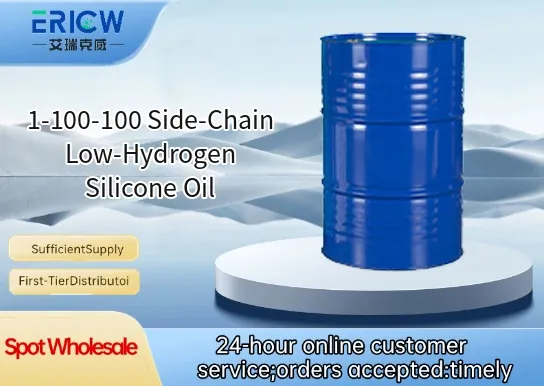
Exceptionally low residual hydrogen content ensures superior thermal and oxidative stability.
Side-chain molecular architecture delivers outstanding lubricity and surface slip without migration or blooming.
High compatibility with organic resins, thermoplastics, and silicone elastomers enables broad formulation flexibility.
Low volatility and negligible volatility under standard processing conditions support clean, low-emission manufacturing.
Hydrophobic yet non-staining—maintains substrate integrity in sensitive optical and electronic applications.
Release agent for high-temperature silicone rubber molding and LSR processing.
Surface modifier in specialty coatings for anti-friction and anti-adhesion performance.
Internal and external lubricant in engineering thermoplastics (e.g., PBT, PC, PPS).
Component in high-reliability encapsulants and potting compounds for electronics.
Processing aid for fiber spinning and textile finishing where low extractables are critical.
| Chemical Type | Side-chain substituted polydimethylsiloxane with controlled Si–H functionality |
| Product Form | Clear, colorless to pale yellow liquid |
| Appearance | Homogeneous, free of sediment or haze |
| Primary Applications | Lubrication, release, surface modification, polymer compounding |
| Key Features | Low hydrogen, high thermal stability, excellent compatibility, low volatility |
| Benefits | Extended equipment life, reduced maintenance, improved part ejection, enhanced surface quality |
| Storage Conditions | Store in sealed containers at 5–30 °C, protect from moisture and direct sunlight |
Q1: What distinguishes this side-chain low-hydrogen silicone oil from conventional linear or end-capped silicone fluids?
A: Its side-chain architecture provides enhanced thermal stability and reduced volatility compared to linear analogs, while the low hydrogen content minimizes potential for catalytic dehydrogenation or crosslinking under high-temperature processing conditions—making it especially suitable for demanding compounding and extrusion applications.
Q2: Is this silicone oil compatible with high-performance engineering thermoplastics such as PEEK, PEI, or PPS?
A: Yes—it demonstrates good compatibility and dispersion stability in high-temperature thermoplastics, supporting improved melt flow and reduced die buildup without compromising mechanical or thermal performance of the final compound.
Q3: How should this product be incorporated into polymer formulations?
A: It is typically introduced during the melt compounding stage, either pre-blended with resin or dosed directly into the extruder feed throat or side feeder. Uniform dispersion is readily achieved due to its low surface tension and favorable rheological profile.
Q4: Does this material require special handling or storage considerations?
A: Store in a cool, dry place away from direct sunlight and strong oxidizing agents. While not classified as hazardous under standard transport regulations, it should be handled using general industrial hygiene practices—avoid inhalation of mists and prolonged skin contact.
Contact With Us:
E-mail: wangxingqiang@ericwchem.com
Have a Questions? Call Us:
Add:
Building A1, Jiete Industrial Park, Huangpu District, Guangzhou City, Guangdong Province, China