English
 Español
 tiếng việt
 русский
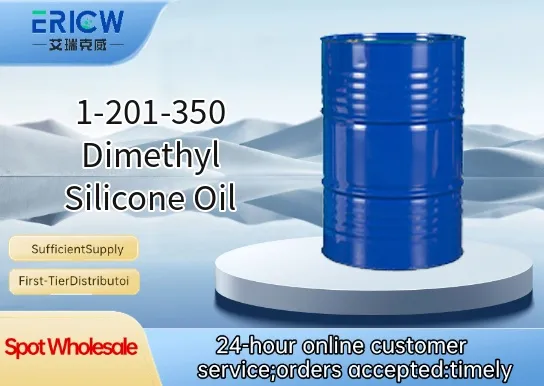
Exceptional thermal stability across a wide temperature range (–50 °C to +200 °C).
Low surface tension and excellent spreading capability on diverse substrates.
Chemically inert with outstanding resistance to oxidation, UV radiation, and moisture.
Non-volatile and non-yellowing under normal storage and processing conditions.
Highly compatible with organic solvents, polymers, and common industrial additives.
Release agent for rubber, plastic, and composite molding processes.
Base fluid in personal care formulations including hair conditioners and skin emollients.
Defoaming and antifoaming agent in water-based paints, coatings, and industrial cleaning systems.
Lubricant additive for precision instruments, gaskets, and O-rings in automotive and electronics assembly.
Surface modifier to enhance slip, gloss, and hydrophobicity in textile and leather finishing.
| Chemical Type | Linear polydimethylsiloxane (PDMS) |
| Product Form | Clear, colorless liquid |
| Appearance | Transparent, odorless, and homogeneous |
| Viscosity (25 °C) | 350 ± 30 cSt |
| Density (25 °C) | 0.96–0.97 g/cm³ |
| Refractive Index (25 °C) | 1.400–1.405 |
| Flash Point (COC) | >300 °C |
| Volatility (200 °C, 24 h) | <1.0% weight loss |
Q1: What is the typical viscosity range for 1-201-350 Dimethyl Silicone Oil?
A: 1-201-350 is a medium-viscosity dimethyl silicone oil, commonly used in applications requiring balanced flow characteristics and surface activity. Its viscosity generally ranges from 300 to 500 cSt at 25 °C, making it suitable for formulations where moderate lubricity and film-forming capability are desired.
Q2: Is this silicone oil compatible with common industrial solvents and polymers?
A: Yes, 1-201-350 exhibits good compatibility with hydrocarbon solvents, alcohols, and many thermoplastic resins. It is frequently incorporated into coatings, adhesives, and polymer masterbatches without phase separation—though compatibility testing under actual processing conditions is recommended for new formulations.
Q3: How is 1-201-350 typically used in personal care formulations?
A: In personal care, it serves as a skin-conditioning agent and sensory enhancer—imparting a smooth, non-greasy feel to lotions, creams, and hair conditioners. It is typically used at low concentrations and contributes to improved spreadability and emulsion stability without interfering with active ingredient performance.
Q4: Does 1-201-350 require special handling or storage conditions?
A: This product is stable under normal ambient conditions and does not require refrigeration. For optimal shelf life, store in tightly sealed containers away from direct sunlight and excessive heat. Avoid prolonged exposure to strong oxidizing agents or highly acidic/basic environments during handling.
Contact With Us:
E-mail: wangxingqiang@ericwchem.com
Have a Questions? Call Us:
Add:
Building A1, Jiete Industrial Park, Huangpu District, Guangzhou City, Guangdong Province, China