English
 Español
 tiếng việt
 русский
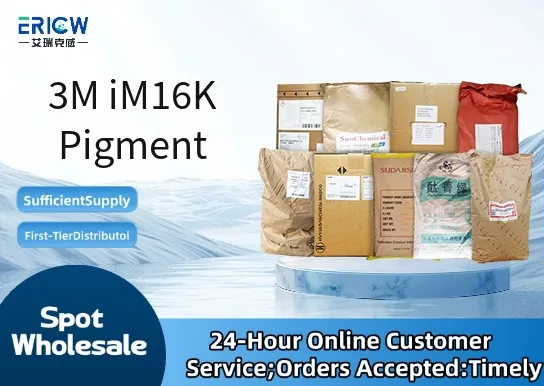
Highly engineered inorganic pigment with exceptional thermal stability up to 800 °C.
Optimized particle size distribution for uniform dispersion in high-performance polymer matrices.
Non-hazardous formulation compliant with REACH and RoHS directives.
Excellent lightfastness and UV resistance, maintaining color integrity under prolonged outdoor exposure.
Low oil absorption enables efficient loading in coatings and engineering plastics without viscosity penalty.
High-temperature automotive under-hood plastic components.
Industrial powder coatings requiring durable color retention.
Engineering thermoplastics such as polyphenylene sulfide (PPS) and polyetherimide (PEI).
Aerospace interior panels and ducting materials subject to stringent flame/smoke/toxicity (FST) requirements.
| Chemical Type | Mixed-metal oxide (spinel-based) |
| Product Form | Fine dry powder |
| Appearance | Free-flowing granular powder, consistent gray-black hue |
| Primary Applications | High-temp polymers, industrial coatings, specialty composites |
| Key Features | Thermal stability, non-volatile, chemically inert |
| Benefits | Color consistency at elevated processing temperatures, no outgassing |
| Density (g/cm³) | 4.2–4.5 |
| Particle Size (D50, µm) | 0.8–1.2 |
Q1: What is the primary function of 3M iM16K Pigment in polymer systems?
A: 3M iM16K Pigment is an infrared-absorbing pigment designed to enable selective thermal activation—such as for laser marking, thermal imaging, or controlled heating—in thermoplastic and thermoset polymers without significantly altering visible color or mechanical properties.
Q2: Which polymer matrices is 3M iM16K Pigment typically compatible with?
A: It demonstrates good compatibility with a broad range of engineering thermoplastics including polyamide (PA), polypropylene (PP), polyethylene (PE), polycarbonate (PC), and polybutylene terephthalate (PBT), as well as select epoxy and phenolic resin systems.
Q3: How is 3M iM16K Pigment typically incorporated into polymer formulations?
A: It is commonly introduced via masterbatch dilution or direct dry-blend compounding. For optimal dispersion and performance, high-shear melt processing—such as twin-screw extrusion—is recommended, and pre-drying of the pigment is not required under standard handling conditions.
Q4: Does 3M iM16K Pigment affect the UV stability or long-term color retention of the final part?
A: While 3M iM16K Pigment itself is not a UV stabilizer, it does not inherently accelerate photodegradation. However, its use in combination with appropriate UV absorbers and HALS stabilizers is recommended for outdoor or UV-exposed applications to maintain long-term appearance and performance.
Contact With Us:
E-mail: wangxingqiang@ericwchem.com
Have a Questions? Call Us:
Add:
Building A1, Jiete Industrial Park, Huangpu District, Guangzhou City, Guangdong Province, China