English
 Español
 tiếng việt
 русский
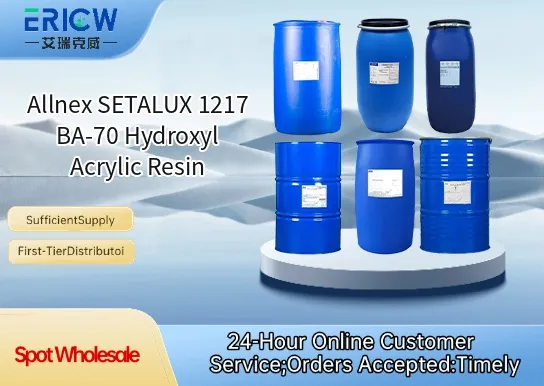
High hydroxyl functionality for excellent crosslink density with melamine and polyisocyanate curing agents.
Optimized molecular weight distribution for superior flow, leveling, and gloss development in high-performance coatings.
Low volatile organic compound (VOC) content, supporting compliance with stringent environmental regulations.
Excellent compatibility with common solvent-based and hybrid coating systems including nitrocellulose and alkyd blends.
Robust chemical and abrasion resistance after full cure, ideal for demanding industrial finish applications.
Automotive OEM and refinish topcoats requiring high gloss and long-term durability.
Industrial maintenance coatings for metal substrates exposed to harsh environments.
General-purpose coil coatings where flexibility, adhesion, and weatherability are critical.
Powder coating hybrids and low-bake liquid systems targeting energy-efficient curing profiles.
Plastic coatings for automotive interior trim and consumer electronics housings.
| Chemical Type | Hydroxyl-functional acrylic copolymer |
| Product Form | Liquid resin solution |
| Appearance | Clear, pale yellow liquid |
| Primary Applications | OEM automotive, industrial maintenance, coil, and plastic coatings |
| Key Features | High OH value, low VOC, excellent compatibility, good flow/leveling |
| Recommended Solvents | Aromatic hydrocarbons, ketones, esters (e.g., xylene, MEK, butyl acetate) |
| Storage Stability | Stable for ≥12 months at 20–25 °C in sealed containers |
| Handling Precautions | Use in well-ventilated areas; refer to Safety Data Sheet (SDS) for handling guidance |
Q1: What is the primary function of SETALUX 1217 BA-70 in coating formulations?
A: SETALUX 1217 BA-70 serves as a hydroxyl-functional acrylic resin, primarily used as a reactive binder in two-component polyurethane and polyester-based coating systems. It contributes to film formation, hardness development, and chemical resistance while maintaining good clarity and UV stability.
Q2: Is SETALUX 1217 BA-70 compatible with common isocyanate crosslinkers?
A: Yes, it is specifically designed for compatibility with aliphatic and aromatic polyisocyanates, including HDI trimer, IPDI-based adducts, and TDI-based prepolymers. Optimal performance is achieved when matched with low-viscosity, steric-hindered isocyanates suitable for ambient or forced-dry applications.
Q3: How does SETALUX 1217 BA-70 perform in high-gloss, weather-resistant topcoats?
A: It delivers excellent gloss retention, color stability, and resistance to chalking under prolonged UV exposure and moisture cycling—making it well-suited for premium automotive refinish, industrial maintenance, and architectural topcoat applications where long-term aesthetics and durability are critical.
Q4: Can SETALUX 1217 BA-70 be used in solvent-borne and high-solids formulations?
A: Yes, it is formulated for use in both conventional solvent-borne systems and high-solids coatings. Its moderate molecular weight and controlled polarity enable good solubility in common esters, ketones, and aromatic hydrocarbons, supporting viscosity reduction without sacrificing crosslink density.
Q5: What are key handling and storage recommendations for this resin?
A: Store in tightly sealed containers at temperatures between 10 °C and 30 °C, away from direct sunlight and moisture. Avoid prolonged exposure to elevated temperatures or freezing conditions. Prior to use, ensure thorough mixing to maintain homogeneity, especially after extended storage.
Contact With Us:
E-mail: wangxingqiang@ericwchem.com
Have a Questions? Call Us:
Add:
Building A1, Jiete Industrial Park, Huangpu District, Guangzhou City, Guangdong Province, China