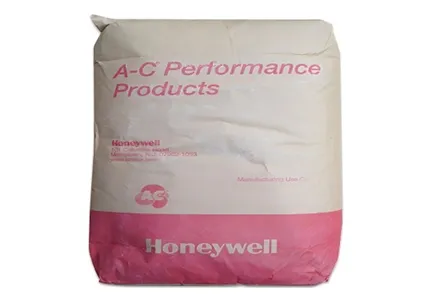
Highly water-soluble anionic polymer with excellent viscosity-building capability in aqueous systems.
Provides outstanding suspension stability and particle dispersion for solid-phase components.
Offers good film-forming properties and enhanced adhesion in coating and binder applications.
Exhibits consistent rheological performance across a broad pH range (pH 4–10).
Non-toxic, biodegradable, and compliant with major global food and pharmaceutical regulatory guidelines (e.g., USP/NF, FCC, EP).
Thickener and stabilizer in food products including dairy alternatives, sauces, and baked goods.
Rheology modifier and suspending agent in pharmaceutical suspensions, tablets, and topical gels.
Binder and green strength enhancer in ceramic and foundry molding sands.
Viscosity controller and water retention agent in construction mortars and tile adhesives.
Stabilizer and protective colloid in detergent formulations and industrial cleaning products.
| Chemical Type | Sodium carboxymethyl cellulose (CMC), substituted cellulose ether |
| Product Form | White to off-white free-flowing powder |
| Appearance | Fine, odorless, hygroscopic powder |
| Primary Applications | Food thickening, pharmaceutical excipient, industrial binder, construction additive |
| Key Features | Water solubility, pseudoplastic rheology, salt tolerance, pH stability |
| Benefits | Improved processability, extended shelf life, enhanced suspension stability, reduced syneresis |
| Regulatory Status | USP/NF, FCC, EP, E466; meets FDA 21 CFR §172.874 for food use |
| Storage Conditions | Store in cool, dry place below 30°C; protect from moisture and direct sunlight |
Q1: What are the primary functional benefits of Blanose CMC in aqueous systems?
A: Blanose CMC functions primarily as a rheology modifier, thickener, and stabilizer in water-based formulations. It provides excellent viscosity development, suspension capability for insoluble particles, and improved film-forming properties — all while maintaining good water solubility and compatibility with many common additives.
Q2: How does Blanose CMC perform under varying pH conditions?
A: Blanose CMC exhibits good stability across a broad pH range, typically from approximately pH 4 to 11. Viscosity may decrease significantly below pH 4 due to protonation and reduced chain expansion, while very high pH (>12) may lead to gradual alkaline degradation over time.
Q3: Is Blanose CMC compatible with common electrolytes and multivalent ions?
A: Blanose CMC is generally compatible with low-to-moderate concentrations of monovalent salts (e.g., sodium chloride), but viscosity can be significantly reduced in the presence of higher levels of divalent or trivalent cations (e.g., Ca²⁺, Al³⁺) due to ionic crosslinking and potential precipitation. Formulation adjustments or use of chelating agents may be required in such systems.
Q4: What is the typical dosage range for Blanose CMC in industrial applications?
A: Dosage depends on the desired functionality and formulation matrix, but Blanose CMC is typically used at low concentrations — generally ranging from 0.1% to 2% by weight — to achieve effective thickening, stabilization, or suspension without compromising other performance attributes.
Q5: Can Blanose CMC be used in food, pharmaceutical, or personal care applications?
A: Certain grades of Blanose CMC are manufactured and certified to meet regulatory requirements for use in food, pharmaceutical, and personal care applications. Selection of the appropriate grade — including compliance with relevant food-grade specifications or pharmacopeial standards — is essential and should be confirmed with Ashland technical documentation or regulatory support materials.
Contact With Us:
E-mail: wangxingqiang@ericwchem.com
Have a Questions? Call Us:
Add:
Building A1, Jiete Industrial Park, Huangpu District, Guangzhou City, Guangdong Province, China
 English
 Español
 tiếng việt
 русский