English
 Español
 tiếng việt
 русский
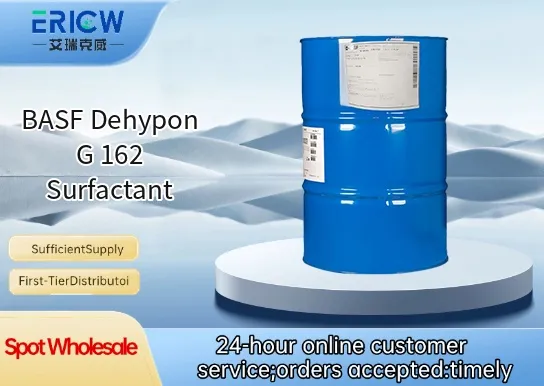
Nonionic surfactant based on alkyl glucoside chemistry, offering excellent biodegradability and low ecotoxicity.
Outstanding foaming performance with stable, rich, and creamy foam even in hard water and low-temperature conditions.
High compatibility with anionic, cationic, and amphoteric surfactants, enabling versatile formulation flexibility.
Mild to skin and eyes, supporting use in personal care products requiring high tolerability.
Low odor and non-volatile, contributing to improved workplace safety and product sensory profile.
Shampoos and body washes for enhanced mildness and luxurious lather.
Hand soaps and liquid cleansers where gentle cleansing and rinseability are critical.
Household cleaning formulations including all-purpose cleaners and dishwashing liquids.
Industrial and institutional (I&I) cleaning products requiring robust performance and environmental compliance.
Specialty agrochemical adjuvants for improved spray droplet dispersion and foliar uptake.
| Chemical Type | Alkyl polyglucoside (APG), C8–C10 |
| Product Form | Clear to slightly opalescent viscous liquid |
| Appearance | Pale yellow to colorless liquid |
| pH (1% aqueous solution) | 6.5 – 8.0 |
| Active Content | ≥ 60.0 wt-% |
| Density (20 °C) | 1.10 – 1.14 g/cm³ |
| Solubility | Completely miscible with water |
| Key Features | Mild, biodegradable, non-ionic, low-foam adjustable, plant-based origin |
Q1: What is the primary chemical nature of Dehypon G 162?
A: Dehypon G 162 is a nonionic surfactant based on alkyl polyglucoside (APG) chemistry, derived from renewable raw materials such as fatty alcohols and glucose. It exhibits excellent biodegradability, low toxicity, and mildness to skin and surfaces.
Q2: In which types of industrial cleaning formulations is Dehypon G 162 most commonly used?
A: It is widely employed in low-foaming, high-rinsing industrial and institutional cleaners — especially for hard-surface cleaning, metal parts cleaning, and CIP (clean-in-place) applications where residue-free performance and compatibility with chelants or builders are essential.
Q3: How does Dehypon G 162 perform in hard water and at varying pH levels?
A: Dehypon G 162 demonstrates good stability and consistent performance across a broad pH range (approximately pH 4–12) and maintains effective detergency even in moderately hard water, without requiring excessive sequestering agents.
Q4: Is Dehypon G 162 compatible with other common surfactants and formulation ingredients?
A: Yes — it shows excellent compatibility with anionic, nonionic, and amphoteric surfactants, as well as common builders, solvents, and corrosion inhibitors, making it a versatile co-surfactant in complex multi-component cleaning systems.
Contact With Us:
E-mail: wangxingqiang@ericwchem.com
Have a Questions? Call Us:
Add:
Building A1, Jiete Industrial Park, Huangpu District, Guangzhou City, Guangdong Province, China