English
 Español
 tiếng việt
 русский
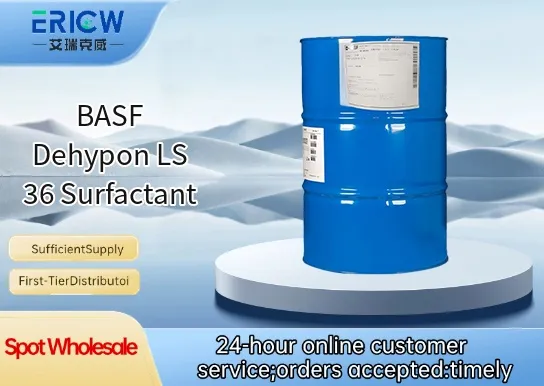
Nonionic surfactant based on linear alcohol ethoxylate with optimized hydrophile-lipophile balance (HLB ≈ 13.6) for balanced wetting and emulsification.
Excellent compatibility with anionic, cationic, and amphoteric surfactants in complex detergent and formulation systems.
Low-foaming profile suitable for high-speed industrial cleaning processes and automatic dishwashing applications.
Good biodegradability (OECD 301E compliant) and favorable ecotoxicological profile for sustainable product design.
Stable across broad pH range (pH 2–12) and tolerant to moderate levels of electrolytes and hard water.
Industrial and institutional cleaners (I&I), including floor cleaners, glass cleaners, and disinfectant formulations.
Automatic dishwashing detergents (ADD) for commercial and residential machines.
Agrochemical adjuvants for enhancing spray droplet spreading and active ingredient uptake.
Textile auxiliaries such as scouring agents and dyeing assistants in pretreatment baths.
Car care products, including concentrated pre-wash solutions and all-purpose cleaners.
| Chemical Type | Linear alcohol ethoxylate (C12–C15, ~6.5 EO units) |
| Product Form | Pale yellow to amber viscous liquid |
| Appearance (at 25 °C) | Clear to slightly opalescent liquid |
| Active Content (w/w %) | 98–100% |
| HLB Value | ≈13.6 |
| pH (1% aqueous solution) | 5.5–7.0 |
| Density (at 20 °C) | 1.02–1.04 g/cm³ |
| Solubility in Water | Complete miscibility at room temperature |
Q1: What is the primary chemical nature of Dehypon LS 36?
A: Dehypon LS 36 is a nonionic surfactant based on alkyl polyglucoside (APG) chemistry, derived from renewable raw materials such as fatty alcohols and glucose. It features excellent biodegradability, low ecotoxicity, and mildness to skin and mucous membranes.
Q2: In which types of industrial cleaning formulations is Dehypon LS 36 most commonly applied?
A: It is widely used in aqueous industrial and institutional cleaners—especially for metal degreasing, hard-surface cleaners, and pre-treatment baths—where high foaming control, good soil removal at low temperatures, and compatibility with electrolytes are required.
Q3: How does Dehypon LS 36 perform in hard water conditions?
A: As a nonionic surfactant, Dehypon LS 36 maintains consistent performance across a broad range of water hardness levels and pH values (typically pH 4–12), without precipitation or loss of detergency—making it well-suited for formulations intended for variable water quality.
Q4: Is Dehypon LS 36 compatible with anionic and cationic surfactants?
A: It shows good compatibility with many anionic surfactants (e.g., LAS, AES) and can be formulated into mixed systems to balance foaming, wetting, and emulsification. Compatibility with cationic species should be evaluated case-by-case, as interactions may affect clarity or stability in concentrated solutions.
Q5: What is the typical dosage range for Dehypon LS 36 in ready-to-use cleaning products?
A: Dosage depends on formulation requirements and performance targets, but it is typically used at low concentrations—generally ranging from 0.1% to 2% by weight—in final products where balanced detergency, foam control, and material compatibility are essential.
Contact With Us:
E-mail: wangxingqiang@ericwchem.com
Have a Questions? Call Us:
Add:
Building A1, Jiete Industrial Park, Huangpu District, Guangzhou City, Guangdong Province, China