English
 Español
 tiếng việt
 русский
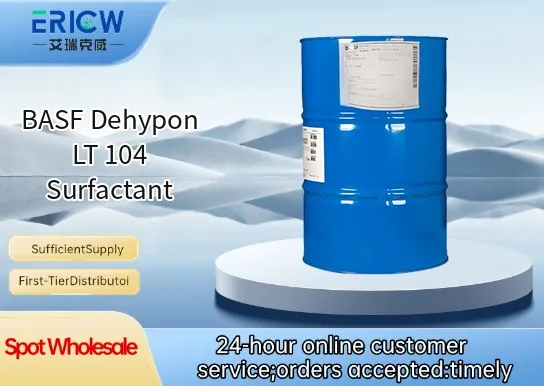
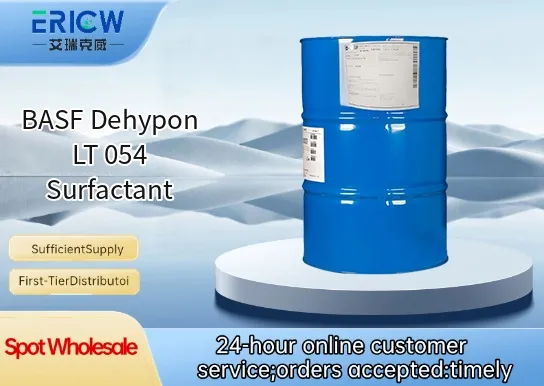
Nonionic surfactant based on linear alcohol ethoxylate chemistry, offering excellent compatibility with anionic and cationic systems.
Low-foaming profile suitable for high-shear and industrial cleaning applications where foam control is critical.
Good wetting and soil-suspending performance across a broad pH range (pH 4–12).
Biodegradable formulation aligned with OECD 301 standard requirements for ready biodegradability.
Stable in hard water and tolerant to common electrolytes, ensuring consistent performance in challenging formulations.
Industrial and institutional (I&I) hard-surface cleaners, including floor, glass, and stainless-steel cleaners.
Car wash formulations, especially in high-pressure and tunnel wash systems requiring low-foam detergency.
Metal cleaning and pre-treatment solutions for degreasing prior to coating or plating.
Agrochemical adjuvants enhancing spray droplet spreading and active ingredient uptake.
Textile auxiliary formulations for scouring and rinsing of synthetic and blended fabrics.
| Chemical Type | Linear alcohol ethoxylate (C12–C15, ~10 EO units) |
| Product Form | Pale yellow to amber viscous liquid |
| Appearance (at 25 °C) | Clear to slightly hazy, homogeneous liquid |
| pH (1% aqueous solution) | 5.5–7.0 |
| Active Content (wt %) | 98–100% |
| Density (20 °C, g/cm³) | 1.02–1.05 |
| Cloud Point (1% aqueous solution, °C) | 60–65 |
| Solubility in Water | Freely soluble at room temperature |
Q1: What is the primary chemical nature of Dehypon LT 104?
A: Dehypon LT 104 is a nonionic surfactant based on alkyl polyglucoside (APG) chemistry, offering excellent biodegradability and mildness while maintaining good foaming and wetting performance in aqueous systems.
Q2: In which types of industrial cleaning formulations is Dehypon LT 104 most commonly used?
A: It is widely applied in low-foaming, high-performance industrial and institutional cleaners—especially for hard-surface cleaning, metal degreasing, and CIP (clean-in-place) applications—where environmental profile and compatibility with electrolytes or chelants are important considerations.
Q3: How does Dehypon LT 104 perform in hard water conditions?
A: As a nonionic APG-based surfactant, Dehypon LT 104 exhibits good tolerance to water hardness and remains effective without significant precipitation or performance loss, making it suitable for formulations intended for use in variable water quality environments.
Q4: Is Dehypon LT 104 compatible with common anionic and cationic surfactants?
A: It demonstrates broad compatibility with many anionic surfactants (e.g., LAS, AES) and selected cationic ingredients under typical formulation pH and concentration ranges, though compatibility testing is recommended for specific blends due to potential interactions in highly charged or acidic systems.
Q5: What are typical dosage guidelines for Dehypon LT 104 in cleaning concentrates?
A: Dosage depends on formulation requirements and performance targets, but it is typically used at low concentrations—generally ranging from 0.1% to 2% by weight—in ready-to-use or diluted cleaning products, where it contributes primarily to soil suspension, wetting, and rinsability.
Contact With Us:
E-mail: wangxingqiang@ericwchem.com
Have a Questions? Call Us:
Add:
Building A1, Jiete Industrial Park, Huangpu District, Guangzhou City, Guangdong Province, China