English
 Español
 tiếng việt
 русский
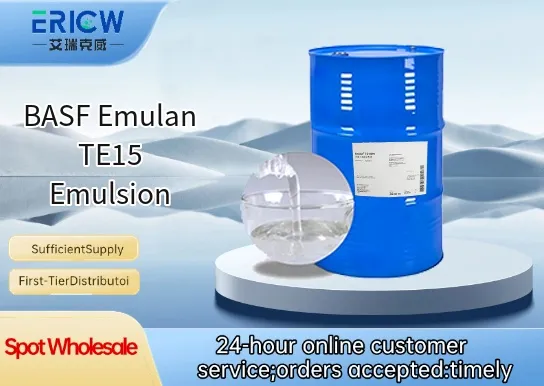
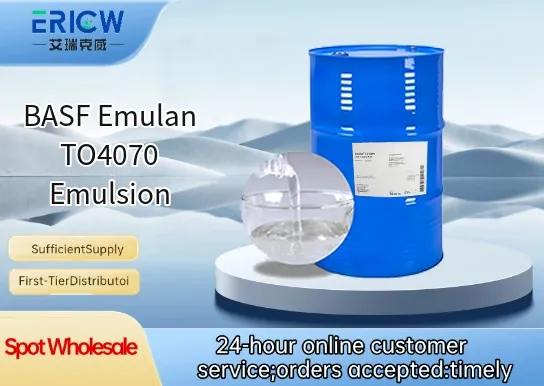
Non-ionic O/W emulsifier with excellent stabilization performance for oil-in-water systems.
High compatibility with polar and non-polar ingredients, including silicones and fatty alcohols.
Low foaming profile suitable for rinse-off and leave-on cosmetic formulations.
ECO PASSPORT by OEKO-TEX® certified, supporting sustainable formulation development.
Premium sensory profile delivering light, non-greasy skin feel in final products.
Lightweight facial moisturizers and day creams.
Sun care emulsions (SPF lotions and after-sun products).
Make-up removers and micellar cleansing waters.
Body lotions and hydrating gels for sensitive skin.
Pharmaceutical topical emulsions requiring mild, low-irritancy excipients.
| Chemical Type | Non-ionic surfactant blend (Cetearyl glucoside & Cetearyl alcohol) |
| Product Form | Off-white to creamy viscous liquid |
| Appearance | Opaque, homogeneous emulsion |
| pH (10% aqueous solution, 25°C) | 5.5 – 7.0 |
| Active Content | Approx. 65 – 70 wt-% |
| Solubility | Water-dispersible; forms stable O/W emulsions upon gentle stirring |
| Storage Conditions | Store at 5–30°C; protect from freezing and direct sunlight |
| Primary Applications | Personal care emulsions, dermocosmetics, and mild pharmaceutical vehicles |
Q1: What is the primary function of Emulan TE15 Emulsion in cosmetic and personal care formulations?
A: Emulan TE15 Emulsion is a non-ionic, oil-in-water emulsifier designed to stabilize mild, low-irritancy emulsions—particularly in leave-on and rinse-off products such as creams, lotions, and cleansing milks. It supports elegant texture, good skin feel, and compatibility with a broad range of active ingredients and electrolytes.
Q2: Is Emulan TE15 suitable for use in natural or “clean-label” formulations?
A: Emulan TE15 is derived from renewable raw materials and is compatible with many natural formulation strategies. While it is not certified organic, its biodegradability profile and absence of ethoxylated surfactants make it a preferred choice where mildness and sustainability are prioritized—subject to final formulation review and applicable labeling guidelines.
Q3: How should Emulan TE15 Emulsion be incorporated into a standard O/W emulsion process?
A: It is typically added to the aqueous phase and heated to 70–75 °C before combining with the oil phase under moderate shear. Homogenization after phase combination helps achieve fine, stable droplet size distribution. Pre-mixing with co-emulsifiers or thickeners may further enhance performance depending on the system.
Q4: Does Emulan TE15 Emulsion require pH adjustment or exhibit sensitivity to pH changes?
A: As a non-ionic emulsifier, Emulan TE15 demonstrates broad pH stability and does not require strict pH control for emulsion formation. It performs reliably across typical cosmetic pH ranges (approximately 4.0–8.0), though extreme pH values may affect long-term physical stability in complex systems.
Q5: Can Emulan TE15 be used in combination with cationic or anionic ingredients?
A: Emulan TE15 shows good compatibility with many anionic surfactants and amphoteric co-surfactants at typical usage levels. However, direct combination with high concentrations of cationic polymers or quaternary ammonium compounds may reduce emulsion stability and should be evaluated case by case through compatibility testing.
Contact With Us:
E-mail: wangxingqiang@ericwchem.com
Have a Questions? Call Us:
Add:
Building A1, Jiete Industrial Park, Huangpu District, Guangzhou City, Guangdong Province, China