English
 Español
 tiếng việt
 русский
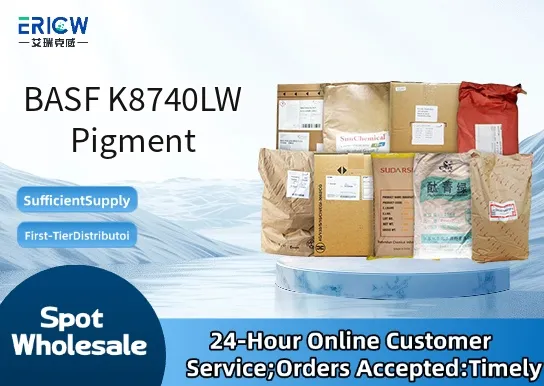
High chroma and excellent lightfastness for long-term color stability in demanding applications.
Optimized particle size distribution for superior dispersion and gloss retention in solvent-based systems.
Good thermal stability up to 220 °C, suitable for high-temperature processing such as powder coating curing.
Low migration tendency, ensuring color integrity in PVC and flexible vinyl compounds.
Compliant with major global regulatory frameworks including REACH and RoHS for restricted substances.
Automotive OEM and refinish coatings requiring high durability and weather resistance.
Industrial coil coatings for pre-painted metal substrates.
Powder coatings for architectural aluminum profiles and furniture components.
Plastic coloration of rigid PVC, ABS, and polycarbonate for outdoor applications.
High-performance inks for packaging gravure and flexographic printing on metallized films.
| Chemical Type | High-performance organic pigment (Benzimidazolone derivative) |
| Product Form | Free-flowing dry powder |
| Appearance | Reddish-brown free-flowing powder |
| Primary Applications | Coatings, plastics, and high-end printing inks |
| Key Features | Excellent dispersibility, UV resistance, and chemical inertness |
| Benefits | Consistent batch-to-batch color match and reduced filter clogging in production |
| Storage Conditions | Store in original sealed container below 30 °C, protected from moisture and direct sunlight |
Q1: What is the primary application area for BASF K8740LW Pigment?
A: BASF K8740LW Pigment is a high-performance, low-migration organic pigment specifically developed for coloration of polyolefin-based food contact materials, including packaging films, containers, and caps—where regulatory compliance and thermal stability during processing are critical.
Q2: Is BASF K8740LW Pigment suitable for use in polypropylene (PP) and polyethylene (PE) compounds?
A: Yes, K8740LW is engineered for excellent dispersion and compatibility in both PP and PE matrices, offering good thermal stability up to typical melt-processing temperatures and minimal plate-out during extrusion or injection molding.
Q3: How does K8740LW differ from standard pigment grades in terms of migration control?
A: K8740LW features a specially optimized particle size distribution and surface treatment that significantly reduces extractable and migratable fractions in fatty food simulants, supporting compliance with global food contact regulations when used within recommended dosage ranges.
Q4: What is the typical dosage range for K8740LW in polyolefin applications?
A: Dosage depends on formulation requirements and desired shade intensity, but K8740LW is generally used at low concentrations—typically ranging from 0.1% to 2% by weight—due to its high tinting strength and efficient dispersion behavior.
Contact With Us:
E-mail: wangxingqiang@ericwchem.com
Have a Questions? Call Us:
Add:
Building A1, Jiete Industrial Park, Huangpu District, Guangzhou City, Guangdong Province, China