English
 Español
 tiếng việt
 русский
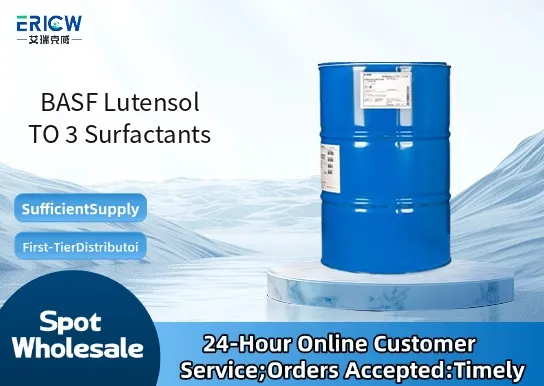
Nonionic surfactant based on linear alcohol ethoxylate (C13–C15) with optimized hydrophilic-lipophilic balance (HLB ≈ 3).
Excellent low-temperature stability and freeze-thaw resistance in aqueous formulations.
High compatibility with anionic, cationic, and other nonionic surfactants in complex detergent systems.
Low foaming profile, making it suitable for high-speed industrial cleaning and CIP applications.
Biodegradable under OECD 301 standard conditions, supporting sustainable formulation goals.
Industrial and institutional (I&I) hard-surface cleaners for food processing facilities.
Alkaline-based degreasers for metal parts cleaning and pre-treatment lines.
Low-foam rinse aids in textile and carpet cleaning concentrates.
Emulsifiers in oil-in-water metalworking fluid formulations.
Co-surfactants in high-efficiency (HE) laundry detergents for commercial laundries.
| Chemical Type | Linear alcohol ethoxylate (C13–C15, ~3 mol EO) |
| Product Form | Liquid |
| Appearance | Pale yellow to colorless viscous liquid |
| HLB Value | ≈ 3.0 |
| pH (1% aqueous solution) | 5.5 – 7.0 |
| Density (20 °C) | 0.94 – 0.97 g/cm³ |
| Solubility in Water | Partially miscible; forms clear solutions above cloud point (~15 °C) |
| Primary Applications | Low-foam industrial cleaners, emulsifiers, co-surfactants |
Q1: What is the primary chemical nature of Lutensol TO 3?
A: Lutensol TO 3 is a nonionic surfactant based on a linear alcohol ethoxylate, specifically derived from tridecyl alcohol with an average of approximately 3 moles of ethylene oxide per molecule. Its structure provides balanced hydrophilic-lipophilic properties suitable for emulsification and solubilization in mild formulations.
Q2: In which types of industrial cleaning applications is Lutensol TO 3 commonly used?
A: It is frequently employed in low-foaming, aqueous industrial cleaning formulations—such as metalworking cleaners, hard-surface degreasers, and maintenance cleaners—where good soil removal, compatibility with electrolytes, and stability across a broad pH range are required.
Q3: How does Lutensol TO 3 perform in formulations containing electrolytes or hard water?
A: Due to its nonionic character and relatively low EO number, Lutensol TO 3 exhibits good tolerance to salts and moderate hardness, maintaining performance without significant precipitation or phase separation under typical use conditions.
Q4: Is Lutensol TO 3 suitable for use in personal care or cosmetic formulations?
A: While it is not prohibited for such uses, Lutensol TO 3 is primarily designed and optimized for industrial and institutional applications. For personal care, BASF offers dedicated surfactant lines with documented safety profiles and regulatory support—consult your BASF representative for appropriate alternatives.
Q5: What is the typical dosage range for Lutensol TO 3 in cleaning concentrates?
A: Dosage depends on formulation requirements, but it is typically used at low concentrations—generally ranging from 0.1% to 2% by weight—in ready-to-use or diluted cleaning systems where balanced detergency and low foaming are desired.
Contact With Us:
E-mail: wangxingqiang@ericwchem.com
Have a Questions? Call Us:
Add:
Building A1, Jiete Industrial Park, Huangpu District, Guangzhou City, Guangdong Province, China