English
 Español
 tiếng việt
 русский
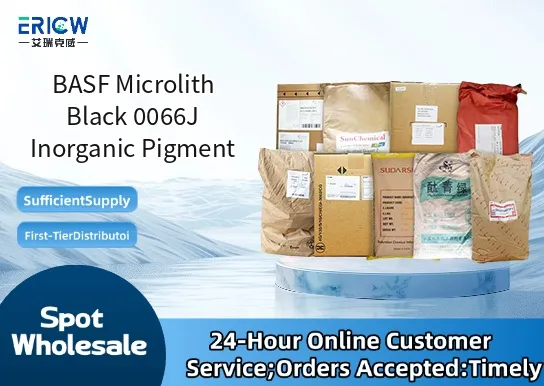
Highly stable iron oxide-based black pigment with excellent thermal and UV resistance.
Optimized particle size distribution for superior dispersion and consistent color strength.
Low oil absorption enabling efficient formulation in high-solids and low-VOC systems.
Non-hazardous, heavy-metal-free composition compliant with global regulatory standards.
Excellent chemical resistance to alkalis, acids, and solvents across diverse industrial environments.
Architectural and industrial coatings requiring long-term color retention and weatherability.
Plastic coloration for automotive interior components and durable consumer goods.
Ceramic glazes and underglaze decorations demanding high-temperature stability.
Construction materials including concrete admixtures, roof tiles, and precast elements.
Inks for packaging and industrial printing where lightfastness and abrasion resistance are critical.
| Chemical Type | Iron oxide (Fe₃O₄ / γ-Fe₂O₃ blend) |
| Product Form | Fine dry powder |
| Appearance | Jet-black, free-flowing granular powder |
| Primary Applications | Coatings, plastics, ceramics, construction materials, inks |
| Key Features | Thermal stability up to 350 °C, non-toxic, REACH-compliant |
| Benefits | Reduced settling, improved tinting strength, enhanced batch-to-batch consistency |
| pH (10% aqueous suspension) | 6.5 – 8.0 |
| Volatile Matter (105 °C, 2 h) | ≤ 1.0 wt% |
Q1: What is the primary chemical composition of Microlith Black 0066J?
A: Microlith Black 0066J is a high-performance inorganic black pigment based on mixed metal oxides, engineered for thermal and chemical stability. Its exact phase composition is proprietary to BASF, but it is formulated to deliver consistent jetness, low volatility, and resistance to sintering under high-temperature processing conditions.
Q2: Is Microlith Black 0066J suitable for use in food-contact plastics?
A: Microlith Black 0066J is designed for demanding industrial applications including engineering thermoplastics and high-heat composites. While it meets general requirements for inertness and thermal stability, its suitability for food-contact applications depends on final formulation, processing conditions, and regional regulatory assessment — users must conduct full compliance verification with applicable food contact regulations.
Q3: How does Microlith Black 0066J compare to carbon black in high-temperature polymer systems?
A: Unlike organic or carbon-based blacks, Microlith Black 0066J offers superior resistance to oxidation and discoloration above 300 °C, making it preferred for high-heat polymers such as polyetherimide (PEI), polyphenylene sulfide (PPS), and polyether ether ketone (PEEK). It also avoids the potential outgassing and conductivity issues associated with carbon black in precision electronic or optical applications.
Q4: What dispersion methods are recommended for optimal performance in polymer melts?
A: For best results, Microlith Black 0066J should be introduced during masterbatch compounding using high-shear extrusion. Pre-dispersion in compatible carrier resins or use of specialized dispersing aids may further enhance color development and reduce agglomeration. Avoid prolonged residence times at peak melt temperatures to preserve particle integrity.
Contact With Us:
E-mail: wangxingqiang@ericwchem.com
Have a Questions? Call Us:
Add:
Building A1, Jiete Industrial Park, Huangpu District, Guangzhou City, Guangdong Province, China