English
 Español
 tiếng việt
 русский
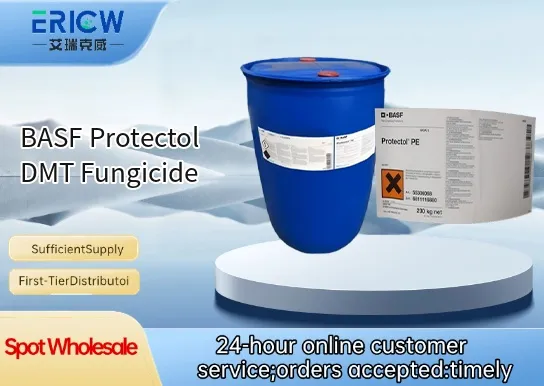
Highly effective broad-spectrum fungicide based on the active ingredient 2-(thiocyanomethylthio)benzothiazole (TCMTB).
Excellent stability in water-based systems across a wide pH range (pH 4–10).
Low volatility and minimal leaching, supporting long-term protection in formulated products.
Compatible with common industrial biocides and polymer systems, enabling synergistic preservation strategies.
Non-oxidizing mode of action, reducing risk of material corrosion and compatibility issues.
Preservation of water-based paints and coatings during storage and in-can.
Protection of adhesives and sealants against fungal degradation in manufacturing and end-use environments.
Stabilization of construction chemicals including cementitious slurries and tile grouts.
Microbial control in metalworking fluids and industrial cooling water systems.
| Chemical Type | Thiocyanate-based benzothiazole derivative (TCMTB) |
| Product Form | Free-flowing crystalline powder |
| Appearance | Off-white to light tan crystalline solid |
| Primary Applications | In-can preservation for water-based formulations |
| Key Features | Broad-spectrum antifungal activity, low water solubility, thermal stability up to 200°C |
| Recommended Use Level | 0.05–0.3% w/w (active basis) depending on formulation |
| Shelf Life | 24 months when stored in original sealed container at ≤25°C |
| Regulatory Status | Approved under EU BPR (Biocidal Products Regulation) for PT 6 (preservatives) |
Q1: What is the primary mode of action of BASF Protectol DMT Fungicide?
A: Protectol DMT functions as a broad-spectrum contact and preventive fungicide, primarily inhibiting fungal spore germination and mycelial growth through disruption of cell membrane integrity and metabolic processes.
Q2: In which types of industrial formulations is Protectol DMT commonly used?
A: It is widely incorporated into water-based industrial coatings, adhesives, sealants, construction materials, and polymer dispersions where long-term protection against mold, mildew, and algae is required under humid or challenging storage conditions.
Q3: Is Protectol DMT compatible with common biocide stabilizers and pH ranges found in industrial systems?
A: Yes — Protectol DMT demonstrates good compatibility with typical formulation additives and remains stable across a broad pH range (approximately 4–10), making it suitable for use in neutral to mildly acidic or alkaline systems without significant degradation.
Q4: How should Protectol DMT be incorporated into a formulation to ensure optimal performance?
A: It is typically added during the final stage of manufacturing, after cooling and under gentle agitation, to minimize thermal stress and ensure uniform dispersion. Dosage depends on formulation requirements but generally ranges from 0.1% to 2% by weight, adjusted based on challenge level and regulatory allowances.
Contact With Us:
E-mail: wangxingqiang@ericwchem.com
Have a Questions? Call Us:
Add:
Building A1, Jiete Industrial Park, Huangpu District, Guangzhou City, Guangdong Province, China