English
 Español
 tiếng việt
 русский
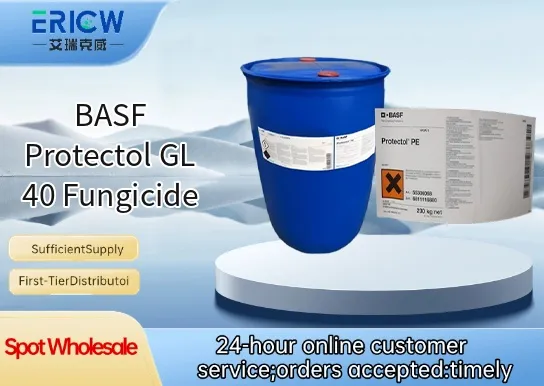
Broad-spectrum efficacy against key wood-decay fungi, including Coniophora puteana, Poria vaillantii, and Trametes versicolor.
Non-volatile, low-odor formulation designed for safe handling and reduced environmental impact during application.
Excellent leach resistance, ensuring long-term protective performance in both above-ground and ground-contact timber applications.
Compatible with common wood preservative systems and suitable for use in vacuum-pressure impregnation (VPI) processes.
Complies with EU Biocidal Products Regulation (BPR) Annex I active substance approval for tebuconazole (CAS 107534-96-3).
Preservation of softwood lumber for residential and commercial construction (e.g., framing, decking, fencing).
Protection of engineered wood products such as glulam beams, LVL, and cross-laminated timber (CLT).
Treatment of utility poles, railway sleepers, and other infrastructure timber exposed to high moisture and fungal risk.
Industrial wood packaging, including pallets and crates requiring ISPM 15-compliant biological protection.
| Chemical Type | Tebuconazole-based fungicidal concentrate |
| Product Form | Clear to slightly opalescent liquid |
| Appearance | Pale yellow to amber liquid |
| Active Ingredient Concentration | 400 g/L tebuconazole |
| Primary Applications | Wood preservation (Type W, EN 599-1) |
| Solvent System | Proprietary hydrocarbon and glycol ether blend |
| pH (1% aqueous solution) | 6.0 – 7.5 |
| Storage Stability | ≥24 months at 5–30 °C in original sealed container |
Q1: What is the primary mode of action of BASF Protectol GL 40 Fungicide?
A: Protectol GL 40 functions as a broad-spectrum fungistatic agent, primarily inhibiting fungal growth through interference with essential cellular metabolism and membrane integrity. Its active ingredient is designed for preventive and early curative control in non-plant applications.
Q2: In which types of industrial formulations is Protectol GL 40 typically used?
A: It is commonly incorporated into water-based industrial products such as adhesives, sealants, coatings, construction mortars, and grouts—especially where long-term protection against mold, mildew, and saprophytic fungi is required during storage and service life.
Q3: Is Protectol GL 40 compatible with common biocide stabilizers and pH ranges found in industrial formulations?
A: Yes, Protectol GL 40 demonstrates good compatibility with many standard formulation additives and remains effective across a typical industrial pH range of approximately 4 to 10. Compatibility testing under actual formulation conditions is still recommended prior to full-scale use.
Q4: How should Protectol GL 40 be added to a formulation to ensure optimal performance?
A: It is generally added during the final stage of production, after high-shear mixing or heating steps that could compromise stability. Dosing is typically performed at low concentrations, and uniform dispersion—often aided by mild agitation—is critical to achieve consistent antifungal protection.
Contact With Us:
E-mail: wangxingqiang@ericwchem.com
Have a Questions? Call Us:
Add:
Building A1, Jiete Industrial Park, Huangpu District, Guangzhou City, Guangdong Province, China