English
 Español
 tiếng việt
 русский
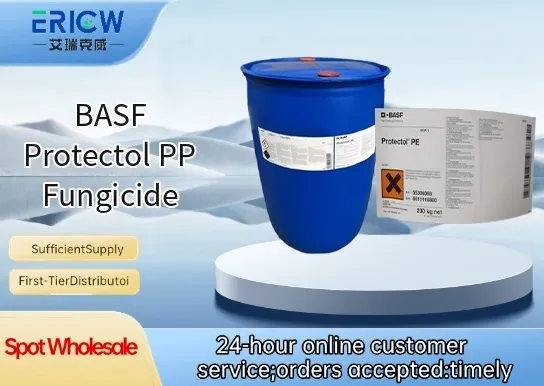
Broad-spectrum protection against key fungal pathogens including Aspergillus, Penicillium, and Cladosporium.
Low volatility and excellent compatibility with polypropylene (PP) polymers during processing.
Non-migrating formulation ensures long-term fungistatic performance without leaching or surface blooming.
Thermally stable up to 280 °C, supporting standard PP extrusion, injection molding, and fiber spinning processes.
REACH-compliant and free of heavy metals, formaldehyde donors, and CMR substances (Carcinogenic, Mutagenic, Reprotoxic).
Antimicrobial polypropylene fibers for geotextiles and erosion control mats.
Fungistatic PP nonwovens used in hygiene and medical packaging applications.
Mold-resistant PP automotive interior components exposed to high humidity environments.
PP-based agricultural mulch films requiring extended outdoor durability and bioprotection.
Recycled PP compounds where microbial growth during storage or transport poses quality risks.
| Chemical Type | Organic heterocyclic fungicide (active ingredient: 2-(thiocyanomethylthio)benzothiazole) |
| Product Form | Free-flowing granular masterbatch |
| Appearance | Off-white to light beige granules |
| Active Ingredient Content | 10 wt% (nominal) |
| Carrier Polymer | Polypropylene homopolymer |
| Density (23 °C) | 0.90–0.92 g/cm³ |
| Melt Flow Rate (230 °C/2.16 kg) | 25–35 g/10 min |
| Recommended Dosage Range | 0.5–2.0 wt% in final PP compound |
Q1: What is the primary mode of action of BASF Protectol PP Fungicide?
A: Protectol PP Fungicide acts primarily through inhibition of microbial cell membrane synthesis, delivering broad-spectrum fungistatic and bacteriostatic activity against common spoilage microorganisms in polymer systems.
Q2: In which polymer types is Protectol PP Fungicide typically incorporated?
A: It is widely compatible with polypropylene (PP), polyethylene (PE), and other thermoplastic polymers used in packaging, fibers, and nonwovens—particularly where long-term protection against mold and bacterial growth during storage or end-use is required.
Q3: Is Protectol PP Fungicide suitable for applications requiring regulatory compliance for food contact materials?
A: Protectol PP Fungicide is designed for industrial polymer applications and is not intended for direct food contact use unless explicitly authorized under applicable regional regulations. Customers must verify suitability based on their specific formulation, processing conditions, and target market requirements.
Q4: How is Protectol PP Fungicide typically incorporated into polymer matrices?
A: It is commonly introduced via masterbatch dilution or direct dry-blend addition prior to extrusion or molding. Thermal stability allows for incorporation at standard polymer processing temperatures without significant degradation.
Q5: Does Protectol PP Fungicide affect the physical or mechanical properties of the final polymer product?
A: When used within recommended dosage ranges, it generally does not adversely impact tensile strength, impact resistance, or melt flow behavior—though compatibility and performance should be confirmed through application-specific testing.
Contact With Us:
E-mail: wangxingqiang@ericwchem.com
Have a Questions? Call Us:
Add:
Building A1, Jiete Industrial Park, Huangpu District, Guangzhou City, Guangdong Province, China