English
 Español
 tiếng việt
 русский
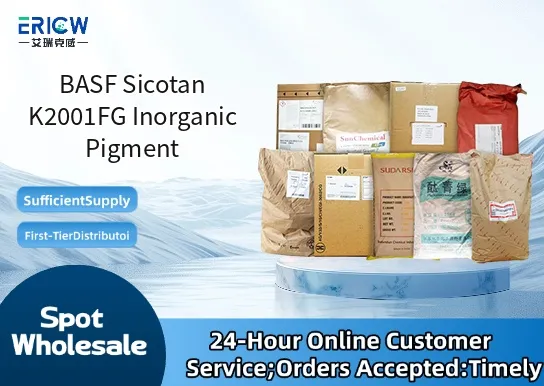
High thermal stability up to 1,000 °C in oxidizing atmospheres.
Excellent chemical resistance against acids, alkalis, and solvents.
Non-toxic, heavy-metal-free composition compliant with global regulatory frameworks (e.g., REACH, RoHS).
Consistent particle size distribution ensuring uniform dispersion and color strength.
Low oil absorption for improved formulation efficiency in high-solid coatings and plastics.
Ceramic glazes and decorative tiles requiring high-temperature firing stability.
Architectural coatings exposed to extreme weathering and UV radiation.
Engineering thermoplastics (e.g., polyamide, PBT) for automotive under-hood components.
Fire-resistant intumescent paints and passive fire protection systems.
High-performance refractory linings and heat-resistant mortars.
| Chemical Type | Complex metal oxide (Fe–Cr–Ni spinel-based) |
| Product Form | Free-flowing fine powder |
| Appearance | Dark grey to black granular powder |
| Primary Applications | High-temperature ceramics, heat-resistant coatings, engineering plastics |
| Key Features | Thermal stability, inertness, non-volatility, lightfastness |
| Benefits | Color retention at elevated temperatures, low migration, long service life |
| Recommended Storage | Keep in cool, dry place; protect from moisture and contamination |
| Regulatory Status | Compliant with EU REACH Annex XIV exemption; not classified as hazardous per CLP |
Q1: What is the primary chemical composition and crystal structure of Sicotan K2001FG?
A: Sicotan K2001FG is a high-purity, rutile-phase titanium dioxide pigment surface-treated with alumina and silica to enhance dispersibility and optical performance in demanding applications.
Q2: Is Sicotan K2001FG suitable for use in food-contact plastics or packaging materials?
A: Sicotan K2001FG is designed for industrial and functional applications where regulatory compliance for direct food contact is not required. For food-contact uses, consult BASF’s dedicated food-grade pigment portfolio and verify suitability against applicable regional regulations.
Q3: How does Sicotan K2001FG perform under UV exposure and elevated temperatures?
A: Thanks to its optimized inorganic surface treatment and crystalline stability, Sicotan K2001FG demonstrates excellent resistance to UV-induced degradation and thermal stress, making it well-suited for outdoor applications and high-temperature processing such as extrusion and injection molding.
Q4: What dispersion methods are recommended for optimal incorporation into polymer systems?
A: For best results, pre-disperse Sicotan K2001FG using high-shear mixing or twin-screw compounding. Its surface chemistry supports good compatibility with common thermoplastics and masterbatch carriers; dosage typically ranges from 0.1% to 2% by weight depending on opacity and color strength requirements.
Q5: Can Sicotan K2001FG be used in aqueous coating systems?
A: While primarily developed for non-aqueous and polymer-based systems, Sicotan K2001FG can be incorporated into aqueous formulations with appropriate dispersants and pH stabilization—however, performance may vary significantly compared to pigments specifically engineered for waterborne media.
Contact With Us:
E-mail: wangxingqiang@ericwchem.com
Have a Questions? Call Us:
Add:
Building A1, Jiete Industrial Park, Huangpu District, Guangzhou City, Guangdong Province, China