English
 Español
 tiếng việt
 русский
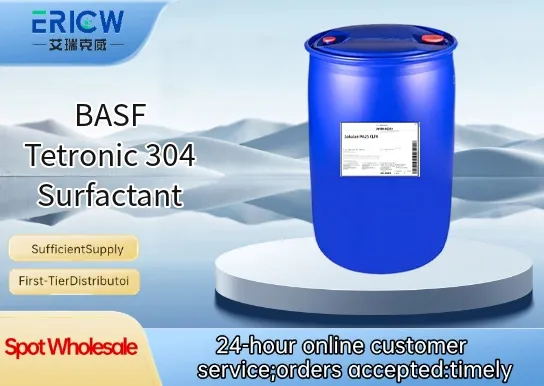
Non-ionic triblock copolymer based on polyethylene oxide (PEO) and polypropylene oxide (PPO) with unique reverse thermogelling behavior.
Excellent solubilizing capacity for hydrophobic actives, fragrances, and oils in aqueous systems.
Low cytotoxicity and favorable skin compatibility, supporting mild formulation profiles.
Effective emulsifier and stabilizer across a broad pH range (pH 3–12) without hydrolysis sensitivity.
Biodegradable backbone structure aligned with evolving regulatory and sustainability requirements.
Personal care: Clear gels, micellar cleansers, and leave-on moisturizers requiring temperature-responsive rheology.
Pharmaceuticals: Solubilization and sustained-release vehicles for poorly water-soluble APIs in topical and ophthalmic formulations.
Agrochemicals: Stabilization of oil-in-water emulsions for EC and SE formulations with low volatility and high dilution stability.
Home care: Fragrance delivery systems and co-surfactant in low-foaming, high-efficiency liquid detergents.
Industrial cleaning: Builder component in alkaline heavy-duty cleaners for metal and surface degreasing.
| Chemical Type | Non-ionic PEO-PPO-PEO triblock copolymer |
| Product Form | White to off-white flake or granular solid |
| Appearance (10% aqueous solution) | Clear, colorless to pale yellow solution |
| pH (1% aqueous solution, 25 °C) | 5.5–7.5 |
| Solubility | Freely soluble in water, ethanol, and propylene glycol; partially soluble in glycerin |
| Cloud Point (1% aqueous solution) | ~25–28 °C |
| HLB Value | ~19.5 |
| Storage Stability | Stable for ≥24 months at <25 °C in original sealed packaging |
Q1: What is the primary chemical nature of Tetronic 304?
A: Tetronic 304 is a nonionic, amphiphilic block copolymer based on a polypropylene oxide–polyethylene oxide–polypropylene oxide (PPO–PEO–PPO) triblock architecture, with a central hydrophobic PPO segment flanked by hydrophilic PEO chains.
Q2: In which types of formulations is Tetronic 304 most commonly used?
A: It is widely employed in aqueous-based personal care emulsions, pharmaceutical suspensions and solubilization systems, agrochemical adjuvants, and industrial cleaning formulations—particularly where low-foaming, temperature-responsive behavior or micellar solubilization is beneficial.
Q3: How does Tetronic 304 behave with respect to temperature and cloud point?
A: As a thermoresponsive surfactant, Tetronic 304 exhibits a distinct cloud point in aqueous solution—typically observed between 20 °C and 35 °C depending on concentration and ionic strength—enabling applications such as temperature-triggered phase separation or viscosity modulation.
Q4: Is Tetronic 304 compatible with common ionic surfactants and electrolytes?
A: Yes, it demonstrates good compatibility with anionic and cationic surfactants in many systems and tolerates moderate levels of electrolytes, though high salt concentrations may reduce its cloud point and affect micelle stability.
Q5: What are typical dosage guidelines for Tetronic 304 in functional formulations?
A: Dosage depends on formulation requirements but generally ranges from 0.1% to 2% by weight; it is typically used at low concentrations to achieve emulsification, solubilization, or rheology modification without excessive foaming or viscosity build-up.
Contact With Us:
E-mail: wangxingqiang@ericwchem.com
Have a Questions? Call Us:
Add:
Building A1, Jiete Industrial Park, Huangpu District, Guangzhou City, Guangdong Province, China