English
 Español
 tiếng việt
 русский
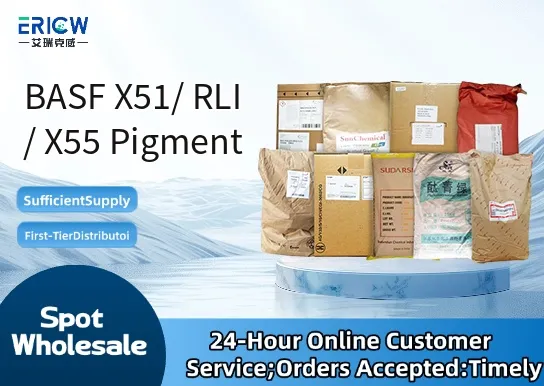
High chroma and excellent color strength for vibrant, consistent tinting performance.
Outstanding thermal stability up to 280 °C, suitable for high-temperature polymer processing.
Superior lightfastness and weather resistance (Xenon arc test, ISO 11341:2019, Grade 7–8).
Good dispersibility in both polar and non-polar resin systems, including polyolefins and engineering plastics.
Low migration tendency, meeting stringent regulatory requirements for food-contact and toy applications (EU Plastics Regulation No. 10/2011, EN71-3).
Coloration of polypropylene (PP) and polyethylene (PE) fibers and films.
Automotive interior plastics requiring long-term UV and heat resistance.
Household appliances housings and components exposed to indoor lighting and ambient temperatures.
Masterbatch production for injection-molded consumer goods.
Engineering thermoplastics including ABS, PC/ABS blends, and PBT.
| Chemical Type | Organic Pigment (Benzimidazolone derivative) |
| Product Form | Free-flowing powder |
| Appearance | Reddish-brown to dark brown fine powder |
| Primary Applications | Polyolefins, engineering plastics, masterbatches |
| Key Features | Thermal stability, low volatility, high tinctorial strength |
| Benefits | Reduced pigment loading, improved melt processability, minimal plate-out |
| Regulatory Compliance | REACH registered; compliant with FDA 21 CFR §178.3297 (for polymers) |
| Particle Size (D50) | 0.15–0.25 µm (by laser diffraction) |
Q1: What is the primary functional difference between X51, RLI, and X55 within this pigment series?
A: X51, RLI, and X55 are distinct high-performance organic pigments developed by BASF for demanding industrial applications. While all three offer excellent lightfastness and thermal stability, they differ in hue characteristics, crystalline structure, and dispersion behavior—X51 delivers a bluish-red shade with strong tinting strength, RLI is optimized for rheological control and reduced flocculation in liquid systems, and X55 provides enhanced weather resistance and improved compatibility in high-solids coatings.
Q2: Are these pigments suitable for food-contact or pharmaceutical packaging applications?
A: These pigments are not pre-approved for direct food-contact applications under global regulatory frameworks. Their use in packaging materials requires full formulation-level compliance assessment—including migration testing and regulatory review—by the end-user or compounder, as suitability depends on substrate type, processing conditions, and intended contact scenario.
Q3: How should X51/RLI/X55 be dispersed to achieve optimal color development and stability?
A: Optimal dispersion typically requires high-shear mixing or bead milling in the target medium, often with compatible dispersants or surfactants. Pre-wetting and controlled addition rates help prevent agglomeration. Performance is highly dependent on resin polarity and solvent balance—formulators are advised to conduct small-scale trials to determine the most effective dispersion protocol for their specific system.
Q4: Can these pigments be used in water-based systems without significant loss of performance?
A: Yes—X51, RLI, and X55 are formulated to support both solvent-borne and aqueous dispersions. However, water-based performance depends heavily on proper stabilization (e.g., ionic or polymeric dispersants), pH control, and avoidance of electrolyte contamination. RLI, in particular, exhibits improved colloidal stability in low-VOC aqueous formulations due to its tailored surface treatment.
Contact With Us:
E-mail: wangxingqiang@ericwchem.com
Have a Questions? Call Us:
Add:
Building A1, Jiete Industrial Park, Huangpu District, Guangzhou City, Guangdong Province, China