English
 Español
 tiếng việt
 русский
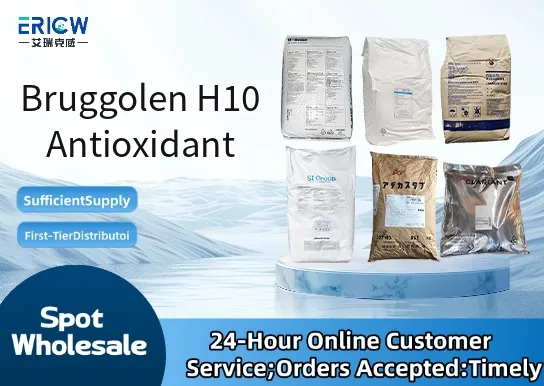
High-efficiency phenolic antioxidant offering superior long-term thermal stability.
Excellent compatibility with polyolefins, including PP, HDPE, and LDPE.
Low volatility and minimal migration, ensuring consistent performance during processing and end-use.
Non-staining and non-discoloring—ideal for light-colored and clear polymer applications.
Meets global food-contact regulatory requirements (EU 10/2011, FDA 21 CFR §178.2010).
Polypropylene (PP) fibers and nonwovens for medical and hygiene products.
HDPE blow-molded containers for packaging of food, beverages, and household chemicals.
Automotive interior components requiring UV and heat resistance.
Thin-gauge polyolefin films used in agricultural mulch and packaging laminates.
Recycled polyolefin compounds where oxidative degradation control is critical.
| Chemical Type | Hindered phenol |
| Product Form | Free-flowing white to off-white powder |
| Appearance | Free-flowing crystalline powder |
| Primary Applications | Polyolefins (PP, PE), engineering plastics, recycled polymers |
| Key Features | Thermal stability, low volatility, non-staining |
| Benefits | Extended polymer service life, reduced gel formation, improved melt stability |
| Recommended Loading Range | 0.1–0.5 wt% (based on polymer) |
| Storage Conditions | Store in original sealed packaging at <30°C, dry and well-ventilated area |
Q1: What is the primary function of Bruggolen H10 in polymer processing?
A: Bruggolen H10 is a high-performance hindered phenolic antioxidant designed to protect thermoplastics—especially polyolefins such as PP and HDPE—against thermal and oxidative degradation during melt processing and long-term service life.
Q2: Is Bruggolen H10 suitable for food-contact applications?
A: Bruggolen H10 is commonly used in polymer formulations intended for food-contact articles, subject to compliance with applicable regional regulatory frameworks. Final approval depends on the complete formulation, processing conditions, and end-use requirements—users should verify suitability with their regulatory team and relevant authorities.
Q3: How does Bruggolen H10 compare to other phenolic antioxidants in terms of volatility and extraction resistance?
A: Bruggolen H10 offers low volatility and good resistance to extraction by polar solvents and aqueous media, making it particularly well-suited for applications requiring extended thermal stability and retention in demanding environments—such as thin-walled packaging or hot-fill containers.
Q4: What is the typical dosage range for Bruggolen H10 in polypropylene homopolymers?
A: Dosage is formulation-dependent, but Bruggolen H10 is typically used at low concentrations—generally ranging from 0.1% to 2% by weight—in polypropylene systems. Optimal levels should be determined through application-specific testing to balance stabilization performance, cost efficiency, and compatibility with co-additives.
Contact With Us:
E-mail: wangxingqiang@ericwchem.com
Have a Questions? Call Us:
Add:
Building A1, Jiete Industrial Park, Huangpu District, Guangzhou City, Guangdong Province, China