English
 Español
 tiếng việt
 русский
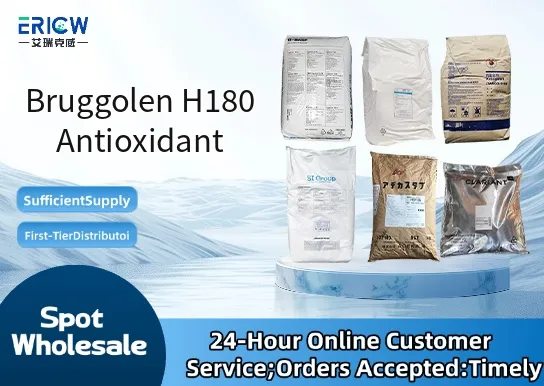
High-performance hindered phenolic antioxidant offering excellent long-term thermal stability.
Low volatility and minimal migration, ensuring consistent protection in demanding processing conditions.
Compatible with a broad range of polymers including polyolefins, styrenics, and engineering thermoplastics.
Non-discoloring formulation suitable for applications requiring color stability and clarity.
Meets major global regulatory requirements for food-contact and medical-grade polymer applications.
Polypropylene (PP) and polyethylene (PE) packaging films and containers.
Automotive interior components exposed to elevated temperatures and UV stress.
Medical tubing and disposable devices requiring biocompatibility and oxidative resistance.
Household appliances and durable goods made from stabilized polyolefin compounds.
Geotextiles and agricultural films requiring extended outdoor service life.
| Chemical Type | Hindered phenol |
| Product Form | Free-flowing white to off-white powder |
| Appearance | Free-flowing crystalline powder |
| Melting Point | 175–180 °C |
| Assay (by HPLC) | ≥ 99.0% |
| Residue on Ignition | ≤ 0.1% |
| Heavy Metals (as Pb) | ≤ 5 ppm |
| Primary Applications | Polyolefins, styrenic polymers, engineering plastics |
Q1: What is the primary function of Bruggolen H180 in polymer systems?
A: Bruggolen H180 is a high-performance hindered phenolic antioxidant designed to protect polymers—especially polyolefins such as PP and HDPE—against thermo-oxidative degradation during processing and long-term service life. It scavenges free radicals formed under heat and shear stress, thereby preserving mechanical properties and color stability.
Q2: Is Bruggolen H180 suitable for food-contact or pharmaceutical-grade applications?
A: Bruggolen H180 is formulated for use in demanding industrial and technical polymer applications. While it meets general requirements for regulatory compliance in certain regions, suitability for food-contact or pharmaceutical use depends on final formulation, processing conditions, and applicable local regulations. Customers must conduct full regulatory validation for such applications.
Q3: How does Bruggolen H180 compare to other phenolic antioxidants in terms of volatility and extraction resistance?
A: Due to its higher molecular weight and sterically hindered structure, Bruggolen H180 exhibits lower volatility and improved resistance to extraction by polar solvents or aqueous media compared to low-MW phenolics like BHT. This makes it especially suitable for thin-gauge films, fibers, and applications requiring prolonged thermal stability.
Q4: Can Bruggolen H180 be used in combination with phosphite co-stabilizers?
A: Yes—Bruggolen H180 is commonly used synergistically with phosphite-based secondary antioxidants (e.g., tris(nonylphenyl) phosphite) to provide enhanced stabilization against both radical-induced oxidation and hydroperoxide decomposition. Compatibility and optimal ratios should be verified through application-specific testing.
Q5: What are the recommended handling and storage conditions for Bruggolen H180?
A: Store Bruggolen H180 in its original sealed packaging at temperatures below 30 °C and in a dry, well-ventilated area away from direct sunlight and strong oxidizing agents. Prolonged exposure to elevated temperature or humidity may affect flowability and performance consistency.
Contact With Us:
E-mail: wangxingqiang@ericwchem.com
Have a Questions? Call Us:
Add:
Building A1, Jiete Industrial Park, Huangpu District, Guangzhou City, Guangdong Province, China