English
 Español
 tiếng việt
 русский
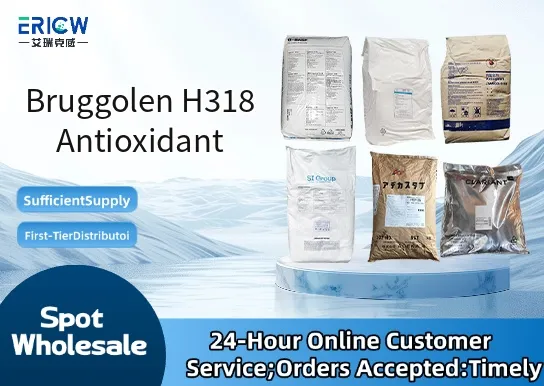
Highly effective phenolic antioxidant for long-term thermal and oxidative stability.
Excellent compatibility with polyolefins, including PP and HDPE.
Low volatility and minimal migration, ensuring consistent performance during processing and end-use.
Non-staining and low-color formation, preserving aesthetic quality in light-colored compounds.
Complies with major food-contact regulations (EU 10/2011 and FDA 21 CFR §178.2010).
Polypropylene (PP) fibers and nonwovens for medical and hygiene applications.
HDPE blow-molded containers for food, chemical, and pharmaceutical packaging.
Automotive interior components requiring high-temperature resistance and low extractables.
Thin-walled injection-molded parts exposed to prolonged UV and thermal stress.
Recycled polyolefin formulations where stabilization against reprocessing degradation is critical.
| Chemical Type | Synthetic hindered phenol |
| Product Form | Free-flowing white to off-white granules |
| Appearance | Granular, free of dust and agglomerates |
| Melting Point | 115–120 °C (determined by DSC) |
| Assay (by HPLC) | ≥ 98.5% |
| Heavy Metals (as Pb) | < 5 ppm |
| Loss on Drying (105 °C, 2 h) | < 0.3% |
| Primary Applications | Polyolefins (PP, PE), especially in food-contact and technical grades |
Q1: What types of polymers is Bruggolen H318 Antioxidant typically used in?
A: Bruggolen H318 is primarily formulated for use in polyolefins such as polyethylene (PE) and polypropylene (PP), including both homopolymers and copolymers. It is also compatible with certain engineering thermoplastics where thermal and long-term oxidative stability are critical during processing and end-use.
Q2: How does Bruggolen H318 differ from conventional phenolic antioxidants?
A: Bruggolen H318 combines a sterically hindered phenolic structure with synergistic functionality that enhances melt stabilization and improves resistance to discoloration during high-temperature processing. Unlike basic monophenolics, it offers improved volatility resistance and better retention in thin-section or high-surface-area applications.
Q3: What is the recommended dosage range for Bruggolen H318 in polypropylene applications?
A: Dosage depends on formulation requirements, processing conditions, and end-use performance expectations. In standard polypropylene compounds, Bruggolen H318 is typically used at low concentrations—generally ranging from 0.1% to 2% by weight—often in combination with phosphite co-stabilizers for optimal synergy.
Q4: Is Bruggolen H318 suitable for food-contact or medical-grade polymer applications?
A: Bruggolen H318 is designed for industrial and technical polymer applications. While it may be evaluated for specific regulatory compliance depending on regional requirements and final formulation, it is not pre-certified for food contact or medical devices. Customers must conduct full regulatory assessment—including extractables testing and migration evaluation—within their intended system.
Contact With Us:
E-mail: wangxingqiang@ericwchem.com
Have a Questions? Call Us:
Add:
Building A1, Jiete Industrial Park, Huangpu District, Guangzhou City, Guangdong Province, China