English
 Español
 tiếng việt
 русский
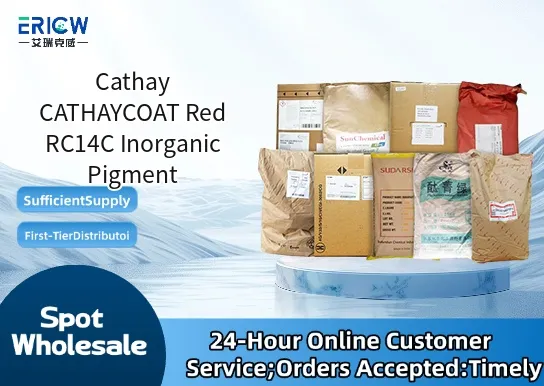
High thermal stability up to 800°C, suitable for high-temperature ceramic and enamel applications.
Excellent chemical resistance against acids, alkalis, and solvents in demanding industrial environments.
Consistent chromatic performance with high color strength and low batch-to-batch variation.
Non-toxic and heavy-metal-free formulation compliant with global regulatory standards (RoHS, REACH).
Optimized particle size distribution for superior dispersion and gloss retention in coating systems.
Ceramic glazes and underglaze decorations for tableware and architectural tiles.
High-performance industrial coatings for metal substrates including appliances and automotive parts.
Porcelain enamel on steel and cast iron for cookware and sanitary ware.
Plastic coloration for engineering thermoplastics requiring heat and UV stability.
Specialty inks for heat-transfer printing and ceramic decal applications.
| Chemical Type | Mixed Metal Oxide (Fe–Cr–Al based) |
| Product Form | Fine dry powder |
| Appearance | Brilliant reddish-orange powder |
| Primary Applications | Ceramics, enamels, industrial coatings, engineering plastics |
| Key Features | Heat stable, chemically inert, non-volatile, lightfast |
| Benefits | Reduced VOC impact, long-term color retention, compatibility with aqueous and solvent-based systems |
| Density (g/cm³) | 4.2–4.5 |
| Particle Size (D50, μm) | 0.8–1.2 |
Q1: What is the primary chemical composition of Cathay CATHAYCOAT Red RC14C?
A: Cathay CATHAYCOAT Red RC14C is a high-performance inorganic red pigment based on a stabilized iron oxide–chromium oxide composite system, engineered for thermal and chemical robustness in demanding coating applications.
Q2: Is RC14C suitable for use in high-temperature curing systems, such as powder coatings or coil coatings?
A: Yes — RC14C exhibits excellent thermal stability and retains its color integrity during standard industrial curing cycles up to 220°C, making it well-suited for powder coatings, coil coatings, and other thermoset systems requiring prolonged heat exposure.
Q3: How does RC14C perform in terms of UV resistance and weathering stability?
A: As an inorganic pigment, RC14C delivers inherently strong UV resistance and long-term weathering stability, with minimal fading or chalking observed under accelerated xenon-arc or QUV testing when properly formulated and dispersed in compatible resin systems.
Q4: What are the recommended dispersion methods for optimal color development and stability?
A: For best results, RC14C should be dispersed using high-shear mixing or bead milling in the chosen binder medium. Pre-wetting with compatible solvents or surfactants is advised to ensure complete deagglomeration and uniform distribution throughout the formulation.
Q5: Can RC14C be used in food-contact or pharmaceutical-related coating applications?
A: RC14C is not certified for direct food-contact applications. While it complies with general industrial safety and handling standards, formulators must conduct full regulatory assessment—including migration testing and compliance verification—based on final application, substrate, and regional requirements before use in sensitive end-uses.
Contact With Us:
E-mail: wangxingqiang@ericwchem.com
Have a Questions? Call Us:
Add:
Building A1, Jiete Industrial Park, Huangpu District, Guangzhou City, Guangdong Province, China