English
 Español
 tiếng việt
 русский
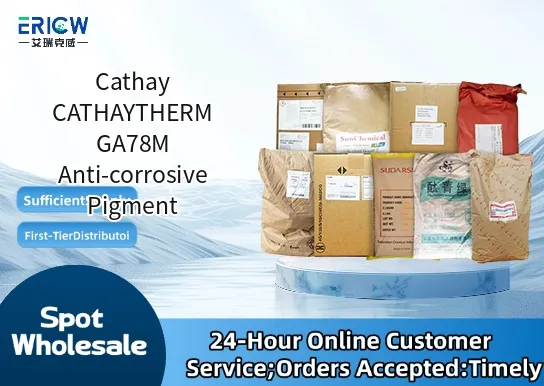
Advanced zinc phosphate-based corrosion inhibitor with synergistic passivation mechanism.
Low-VOC and heavy-metal-free formulation compliant with RoHS and REACH requirements.
Excellent dispersion stability in both waterborne and solvent-based epoxy and polyurethane coating systems.
Enhanced barrier protection through lamellar particle orientation in dried film matrix.
Improved compatibility with common anti-corrosive pigments (e.g., zinc dust, aluminum flakes) for hybrid primer formulations.
Marine and offshore structural coatings for hulls, decks, and ballast tanks.
Industrial maintenance coatings for steel bridges, power plants, and chemical processing facilities.
Automotive underbody and chassis primers requiring high salt-spray resistance.
Railway wagon and freight container protective coatings.
Oil & gas pipeline external and internal coating systems (fusion-bonded epoxy compatible).
| Chemical Type | Zinc phosphate modified with silicate co-inhibitors |
| Product Form | Fine dry powder |
| Appearance | Off-white to light gray free-flowing powder |
| Primary Applications | Anti-corrosive primers and intermediate coats for ferrous substrates |
| Key Features | Passivation + barrier protection; pH-buffering capability |
| Benefits | Reduced zinc loading in formulations; extended service life in C5-I/C5-M environments |
| Density (g/cm³) | 3.2–3.5 (ASTM D1475) |
| Particle Size (D50, µm) | 2.0–3.5 (Laser diffraction) |
Q1: What is the primary mechanism of corrosion inhibition for CATHAYTHERM GA78M?
A: CATHAYTHERM GA78M functions primarily through a combination of barrier enhancement and active passivation of metal substrates. Its specialized inorganic composition promotes the formation of protective surface complexes on steel and aluminum, while also improving coating cohesion and reducing electrolyte penetration.
Q2: Is GA78M compatible with waterborne and high-solids epoxy primers?
A: Yes — GA78M is formulated for broad compatibility with common industrial binder systems, including waterborne epoxies, solvent-based epoxies, polyurethanes, and vinyl esters. It demonstrates good dispersion stability and minimal impact on pot life or film formation across these chemistries.
Q3: How does GA78M differ from traditional zinc phosphate or strontium chromate pigments?
A: Unlike legacy anti-corrosive pigments, GA78M is a non-chromate, heavy-metal-free alternative designed to deliver comparable performance without regulatory or handling restrictions. It offers improved environmental stability in coatings and reduced sensitivity to pH variations during formulation compared to conventional phosphates.
Q4: What is the recommended dosage range for optimal performance?
A: Dosage depends on formulation requirements and target performance, but GA78M is typically used at low concentrations — generally ranging from 0.1% to 2% by weight in the total paint system. Optimization is best achieved through systematic lab-scale testing under representative application and exposure conditions.
Q5: Can GA78M be used in direct-to-metal (DTM) coatings?
A: Yes — GA78M is well-suited for DTM applications where simplified application and strong adhesion to untreated or minimally prepared steel and aluminum surfaces are required. Its performance is enhanced when paired with appropriate resin systems and film thicknesses aligned with end-use service environments.
Contact With Us:
E-mail: wangxingqiang@ericwchem.com
Have a Questions? Call Us:
Add:
Building A1, Jiete Industrial Park, Huangpu District, Guangzhou City, Guangdong Province, China