English
 Español
 tiếng việt
 русский
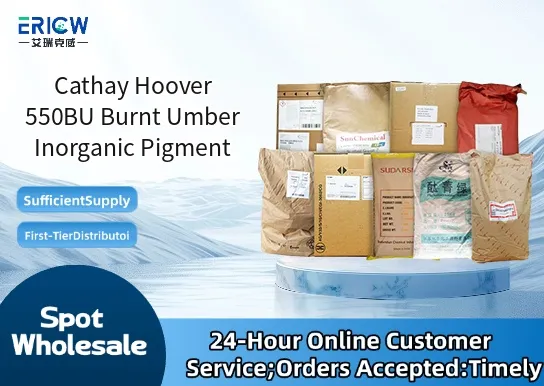
High thermal stability up to 800 °C, ensuring color integrity during high-temperature processing.
Excellent lightfastness and weather resistance, maintaining hue and opacity under prolonged UV exposure.
Non-toxic, heavy-metal-free formulation compliant with global regulatory standards including EN 71-3 and RoHS.
Optimized particle size distribution for superior dispersion in both aqueous and solvent-based systems.
Strong tinting strength and high hiding power, enabling efficient pigment loading and cost-effective dosing.
Architectural and industrial coatings, including exterior façade paints and protective primers.
Ceramic glazes and clay-based tile bodies requiring consistent brown tone at high firing temperatures.
Plastic coloration for automotive interior components and durable consumer goods.
Cementitious products such as colored concrete pavers, stucco, and precast architectural elements.
Specialty inks for packaging and decorative printing where heat resistance and outdoor durability are critical.
| Chemical Type | Iron oxide–manganese oxide complex (synthetic burnt umber) |
| Product Form | Fine, free-flowing powder |
| Appearance | Uniform reddish-brown to dark brown granular powder |
| Primary Applications | Coatings, ceramics, plastics, construction materials, inks |
| Key Features | Heat stable, lightfast, non-bleeding, chemically inert |
| Benefits | Low volatility, no outgassing, compatible with epoxy, polyester, and acrylic resins |
| pH (10% aqueous slurry) | 6.5 – 7.5 |
| Volatile Matter (105 °C, 2 hrs) | ≤ 0.5 wt% |
Q1: What is the primary chemical composition of Cathay Hoover 550BU?
A: Cathay Hoover 550BU is an iron oxide-based inorganic pigment, primarily composed of hydrated iron oxides and manganese-modified iron oxides, delivering its characteristic burnt umber hue through natural mineral-derived crystal structure and controlled calcination.
Q2: Is 550BU suitable for use in exterior architectural coatings?
A: Yes — 550BU exhibits excellent lightfastness, weather resistance, and thermal stability, making it well-suited for exterior applications including masonry paints, stucco systems, and concrete colorants where long-term color retention under UV exposure and moisture cycling is required.
Q3: How does 550BU compare to organic brown pigments in terms of heat stability?
A: As an inorganic iron oxide pigment, 550BU maintains its color integrity at elevated processing temperatures—commonly exceeding 200 °C—where many organic brown pigments would degrade or discolor. This makes it preferred for thermoset composites, ceramic glazes, and high-bake industrial coatings.
Q4: Can 550BU be used in water-based systems without dispersion additives?
A: While 550BU is inherently compatible with aqueous media, optimal performance in water-based paints, inks, or construction mortars typically requires standard dispersants or wetting agents to ensure uniform distribution, prevent agglomeration, and maximize tinting strength and gloss consistency.
Q5: What are typical dosage ranges for 550BU in polymer coloration?
A: Dosage depends on the desired shade intensity and base polymer opacity, but 550BU is generally used at low concentrations—typically ranging from 0.1% to 2% by weight—to achieve rich, earthy tones while maintaining mechanical properties and processability.
Contact With Us:
E-mail: wangxingqiang@ericwchem.com
Have a Questions? Call Us:
Add:
Building A1, Jiete Industrial Park, Huangpu District, Guangzhou City, Guangdong Province, China