English
 Español
 tiếng việt
 русский
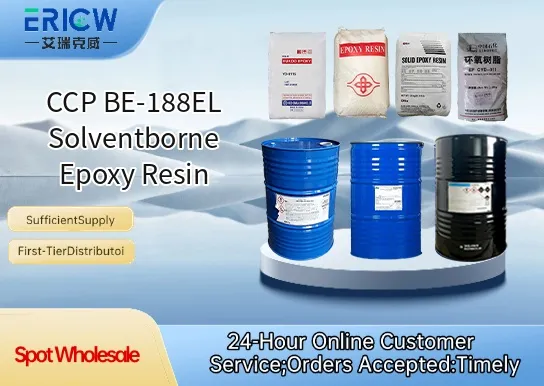
High molecular weight bisphenol-A based epoxy resin offering excellent chemical resistance and mechanical strength.
Optimized solubility in common aromatic and ketonic solvents for stable, low-viscosity formulations.
Superior adhesion to metal substrates including steel, aluminum, and galvanized surfaces.
Enhanced flexibility and impact resistance compared to standard high-EW epoxy resins.
Consistent batch-to-batch performance with strict control over epoxide equivalent weight (EEW) and volatile organic content (VOC).
Heavy-duty protective coatings for industrial steel structures and offshore platforms.
High-performance primers and mid-coats in automotive underbody and chassis systems.
Corrosion-resistant linings for storage tanks, pipelines, and process equipment.
Marine antifouling and immersion-grade coating systems requiring long-term durability.
Electrical insulation varnishes and impregnating resins for motors and transformers.
| Chemical Type | Bisphenol-A epoxy resin |
| Product Form | Clear to pale yellow viscous liquid |
| Appearance | Homogeneous, free from gels or sediment |
| Epoxide Equivalent Weight (EEW) | 470–490 g/eq |
| Softening Point (Ring & Ball) | 25–32 °C |
| Viscosity (25 °C, mPa·s) | 8,000–12,000 |
| Volatile Organic Content (VOC) | < 10% (w/w) |
| Primary Applications | Solventborne epoxy primers, intermediate coats, and corrosion protection systems |
Q1: What is the primary application niche for CCP BE-188EL?
A: CCP BE-188EL is specifically formulated for high-performance solventborne epoxy coatings used in industrial maintenance, protective linings, and corrosion-resistant primers—particularly where excellent adhesion to steel and chemical resistance are required.
Q2: Is CCP BE-188EL compatible with common epoxy curing agents?
A: Yes—it is fully compatible with standard aliphatic and cycloaliphatic amines, polyamides, and amine adducts used in solventborne epoxy systems. Compatibility should be confirmed via small-scale formulation trials under intended processing conditions.
Q3: How does CCP BE-188EL compare to waterborne epoxy resins in terms of film formation and cure profile?
A: As a solventborne resin, BE-188EL offers faster solvent release and more predictable film coalescence at ambient or elevated temperatures compared to many waterborne alternatives. It typically achieves full crosslink density without requiring extended humidity control or specialized drying equipment.
Q4: Can CCP BE-188EL be blended with other resin types to modify performance?
A: Yes—it is commonly modified with compatible acrylics, polyurethanes, or phenolic resins to enhance UV stability, flexibility, or thermal resistance. Any blending should be evaluated for phase compatibility, viscosity behavior, and final film integrity.
Contact With Us:
E-mail: wangxingqiang@ericwchem.com
Have a Questions? Call Us:
Add:
Building A1, Jiete Industrial Park, Huangpu District, Guangzhou City, Guangdong Province, China