English
 Español
 tiếng việt
 русский
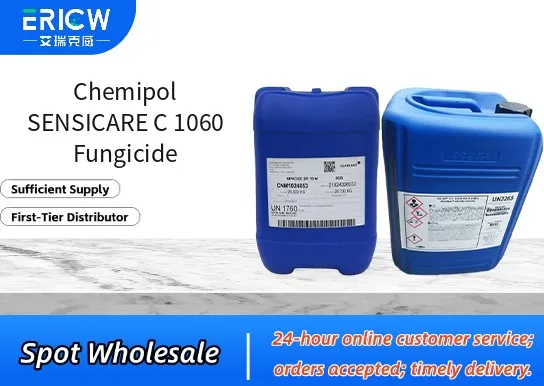
Broad-spectrum fungicidal activity against key foliar and soil-borne pathogens including Botrytis, Fusarium, and Rhizoctonia species.
Systemic and protective action with translaminar movement, ensuring robust crop coverage and residual efficacy.
Low phytotoxicity profile, validated for use on sensitive horticultural crops including ornamentals, strawberries, and leafy vegetables.
Compatible with integrated pest management (IPM) programs and multiple conventional agrochemicals under recommended tank-mix guidelines.
Formulated with advanced adjuvant technology to enhance rainfastness and deposition efficiency on waxy or hairy leaf surfaces.
Greenhouse and open-field cultivation of tomatoes and cucumbers.
Protected and high-tunnel production of strawberries and raspberries.
Ornamental nursery operations targeting powdery mildew and grey mold.
Leafy green production (e.g., lettuce, spinach) under intensive growing systems.
Seedling propagation environments where early-stage fungal suppression is critical.
| Chemical Type | Strobilurin-based fungicide (active ingredient: Trifloxystrobin) |
| Product Form | Flowable suspension concentrate (FS) |
| Appearance | Off-white to light beige homogeneous suspension |
| Active Ingredient Concentration | 10.6% w/w Trifloxystrobin |
| pH Range (1% aqueous solution) | 6.0 – 7.5 |
| Density (20°C) | 1.12 – 1.18 g/cm³ |
| Storage Stability | ≥ 24 months at 5–30°C in original unopened container |
| Primary Applications | Foliar spray for preventive and curative control in horticulture and ornamentals |
Q1: What types of polymers is Chemipol SENSICARE C 1060 compatible with?
A: Chemipol SENSICARE C 1060 is designed for use in thermoplastic polymers, particularly polyolefins (e.g., PP and PE), PVC, and certain engineering plastics. It demonstrates good thermal stability during standard melt-processing conditions and is typically incorporated via masterbatch or direct compounding.
Q2: How does Chemipol SENSICARE C 1060 provide long-term antifungal protection?
A: It functions through controlled release of its active fungicidal components, offering persistent surface and bulk protection against mold, mildew, and filamentous fungi. Its polymer-compatible molecular structure helps retain efficacy throughout the product’s service life without rapid leaching or volatilization under typical indoor conditions.
Q3: Is Chemipol SENSICARE C 1060 suitable for applications requiring regulatory compliance for food contact or healthcare environments?
A: Chemipol SENSICARE C 1060 is formulated to support compliance with major international frameworks for antimicrobial additives in plastics, including relevant provisions of FDA 21 CFR and EU regulations for intended end-uses. Final regulatory acceptance depends on the full formulation, processing method, and end-product application — users are advised to conduct application-specific testing and consult local regulatory authorities.
Q4: What is the recommended dosage range for optimal performance?
A: Dosage depends on polymer type, processing conditions, and required level of protection, but it is typically used at low concentrations — generally ranging from 0.1% to 2% by weight in the final compound. Pilot trials are recommended to determine the most effective and economical loading for each specific application.
Q5: Does Chemipol SENSICARE C 1060 affect the mechanical or optical properties of the host polymer?
A: When used within the recommended dosage range, Chemipol SENSICARE C 1060 shows minimal impact on tensile strength, impact resistance, or clarity in transparent systems. It is engineered to maintain polymer processability and aesthetic performance while delivering reliable antifungal functionality.
Contact With Us:
E-mail: wangxingqiang@ericwchem.com
Have a Questions? Call Us:
Add:
Building A1, Jiete Industrial Park, Huangpu District, Guangzhou City, Guangdong Province, China