English
 Español
 tiếng việt
 русский
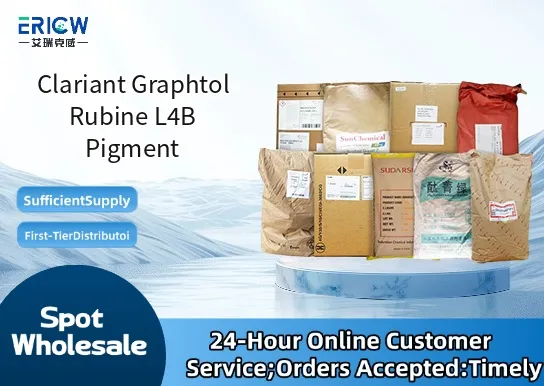
High chroma, clean bluish-red shade with excellent color strength and transparency.
Outstanding thermal stability suitable for high-temperature processing up to 280 °C.
Good lightfastness and weather resistance in demanding outdoor applications.
Excellent dispersibility in common organic media including PVC, PS, and ABS.
Compliant with major global regulatory frameworks including REACH and RoHS.
Automotive interior plastics (dashboards, trim components).
Packaging films requiring FDA-compliant colorants for non-contact food packaging.
Engineering thermoplastics for consumer electronics housings.
General-purpose rigid PVC profiles and sheets.
Masterbatch formulations for polyolefin fibers and injection-molded parts.
| Chemical Type | Quinacridone derivative (C.I. Pigment Red 122) |
| Product Form | Free-flowing powder |
| Appearance | Fine, uniform violet-red powder |
| Primary Applications | Plastics, masterbatches, coatings |
| Key Features | High transparency, thermal stability, low migration |
| Benefits | Bright hue, process robustness, regulatory compliance |
| Recommended Processing Temperature Range | Up to 280 °C (short-term) |
| Regulatory Status | REACH registered; RoHS compliant; FDA 21 CFR 178.3297 compliant for indirect food contact |
Q1: What is the primary application field for Graphtol Rubine L4B?
A: Graphtol Rubine L4B is a high-performance organic pigment designed primarily for use in gravure and flexographic inks, especially where strong rubine red shade, excellent transparency, and good solvent resistance are required.
Q2: Is Graphtol Rubine L4B suitable for food packaging inks?
A: Graphtol Rubine L4B is developed for non-migrating applications and may be used in food packaging inks subject to full regulatory compliance verification by the ink formulator — including assessment of substrate type, processing conditions, and end-use requirements. It is not pre-certified for all food contact applications.
Q3: How does Graphtol Rubine L4B perform in aggressive solvent systems?
A: This pigment exhibits good stability in typical printing ink solvents such as ethyl acetate, ethanol, toluene, and propylene glycol monomethyl ether acetate (PMA), with minimal flocculation or hue shift under standard dispersion and storage conditions.
Q4: What is the recommended dosage range in ink formulations?
A: Dosage depends on the desired color strength and opacity requirements, but it is typically used at low concentrations — generally ranging from 0.1% to 2% by weight in finished ink systems.
Contact With Us:
E-mail: wangxingqiang@ericwchem.com
Have a Questions? Call Us:
Add:
Building A1, Jiete Industrial Park, Huangpu District, Guangzhou City, Guangdong Province, China