English
 Español
 tiếng việt
 русский
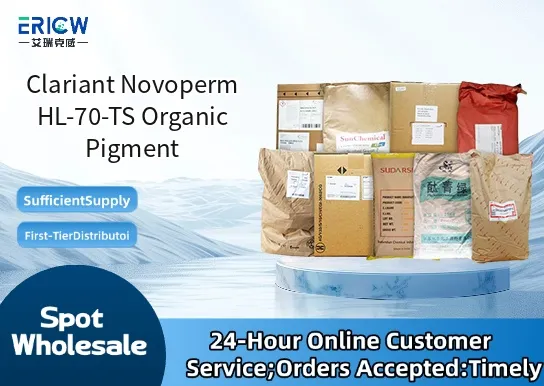
High thermal stability suitable for demanding processing conditions up to 280 °C.
Excellent lightfastness and weather resistance in outdoor applications.
Outstanding dispersibility in both solvent-based and water-based systems.
Good migration resistance in PVC and polyolefin compounds.
Consistent batch-to-batch color strength and hue reproducibility.
Automotive interior plastics (dashboards, trim components).
Engineering thermoplastics including ABS, PC, and PC/ABS blends.
General-purpose rigid PVC profiles and sheets.
Masterbatch formulations for polyolefins (PP, HDPE).
Industrial coatings requiring high chroma and durability.
| Chemical Type | Quinacridone derivative |
| Product Form | Free-flowing powder |
| Appearance | Reddish-violet fine powder |
| Primary Applications | Plastics, masterbatches, industrial coatings |
| Key Features | High thermal stability, excellent lightfastness, good dispersibility |
| Benefits | Color consistency, low dust generation, broad processability |
| Recommended Carrier | Polyethylene or polypropylene wax-based carriers |
| Storage Conditions | Store in cool, dry place; protect from moisture and direct sunlight |
Q1: What are the primary application areas for Novoperm HL-70-TS?
A: Novoperm HL-70-TS is especially suited for high-performance industrial coatings, automotive refinish systems, and premium plastic coloration—where excellent heat stability, lightfastness, and dispersion efficiency are required.
Q2: How does HL-70-TS perform under elevated processing temperatures?
A: This pigment exhibits very good thermal stability, enabling safe use in demanding extrusion and injection molding processes for engineering thermoplastics—without significant hue shift or degradation.
Q3: Is Novoperm HL-70-TS suitable for water-based systems?
A: Yes, it can be formulated into aqueous dispersions with appropriate surfactants and stabilization technology, though performance depends on the specific dispersing protocol and matrix compatibility.
Q4: What is the typical dosage range in polymer applications?
A: Dosage generally ranges from 0.1% to 2% by weight, depending on the desired chroma, opacity requirements, and the base polymer’s inherent properties.
Contact With Us:
E-mail: wangxingqiang@ericwchem.com
Have a Questions? Call Us:
Add:
Building A1, Jiete Industrial Park, Huangpu District, Guangzhou City, Guangdong Province, China