English
 Español
 tiếng việt
 русский
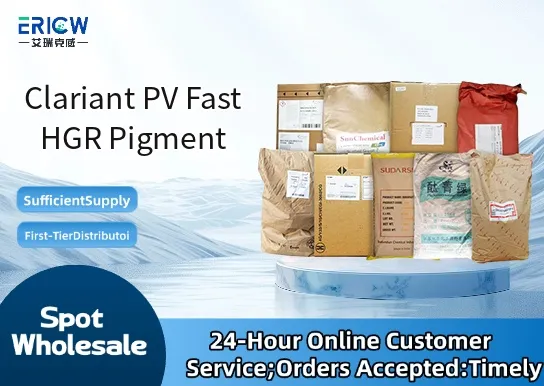
High thermal stability suitable for demanding polymer processing conditions.
Excellent dispersion behavior in polyolefins and engineering thermoplastics.
Strong color strength with consistent batch-to-batch reproducibility.
Low migration tendency, ensuring color fastness in end-use applications.
Compliant with major global regulatory frameworks including FDA 21 CFR and EU Food Contact Regulation (EU) No. 10/2011.
Polypropylene (PP) and polyethylene (PE) injection-molded consumer goods.
Blown and cast films for packaging requiring high clarity and color fidelity.
Automotive interior components exposed to elevated temperatures.
Household appliances with stringent color consistency requirements.
Fiber and nonwoven applications including spunbond and meltblown textiles.
| Chemical Type | Organic Pigment (Pigment Violet 23) |
| Product Form | Free-flowing granules |
| Appearance | Violet-red granular powder |
| Primary Applications | Polyolefins, engineering plastics, synthetic fibers |
| Key Features | Thermally stable, low dust, excellent dispersibility |
| Benefits | Reduced filter clogging, improved throughput, consistent shade development |
| Recommended Carrier | PP-based masterbatch carrier |
| Storage Conditions | Store in cool, dry place; protect from moisture and direct sunlight |
Q1: What is the primary application field for Clariant PV Fast HGR Pigment?
A: Clariant PV Fast HGR Pigment is specifically developed for high-performance coloring of polyolefins—especially in applications requiring excellent heat stability, lightfastness, and migration resistance, such as automotive interior parts, technical packaging, and durable consumer goods.
Q2: How does PV Fast HGR compare to standard organic red pigments in polyolefin processing?
A: PV Fast HGR offers significantly improved thermal stability during high-temperature polyolefin processing (e.g., injection molding or extrusion), reduced tendency toward blooming or plate-out, and superior retention of color strength and hue after aging—making it a preferred choice over many conventional red pigments in demanding applications.
Q3: Is PV Fast HGR suitable for food-contact polyolefin applications?
A: PV Fast HGR is designed to meet stringent regulatory expectations for indirect food contact applications in polyolefins, subject to compliance with applicable regional regulations. Formulators must validate final compliance based on their specific processing conditions, polymer matrix, and end-use requirements.
Q4: What is the typical dosage range for optimal performance in PP or PE?
A: Dosage depends on the desired shade intensity, polymer type, and processing method—but PV Fast HGR is typically used at low concentrations, generally ranging from 0.1% to 2% by weight in polypropylene or polyethylene systems.
Contact With Us:
E-mail: wangxingqiang@ericwchem.com
Have a Questions? Call Us:
Add:
Building A1, Jiete Industrial Park, Huangpu District, Guangzhou City, Guangdong Province, China