English
 Español
 tiếng việt
 русский
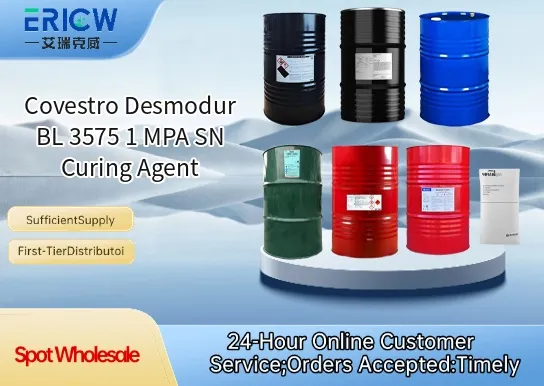
High-performance aliphatic polyisocyanate curing agent based on hexamethylene diisocyanate (HDI) trimer chemistry.
Excellent UV stability and color retention, enabling long-term gloss and clarity in exterior coatings.
Low viscosity for easy handling, efficient mixing with polyol resins, and improved pot life control.
Compliant with stringent VOC regulations and suitable for low-VOC coating formulations.
Provides outstanding chemical resistance, hardness development, and mechanical durability in cured films.
Automotive clearcoats and OEM topcoats requiring high gloss and weatherability.
Industrial maintenance coatings for machinery, metal structures, and rail vehicles.
High-end architectural coatings for façades, aluminum composite panels (ACP), and extruded profiles.
Powder coating hybrid systems where enhanced flow and crosslink density are critical.
Plastic coatings for automotive interior trim and consumer electronics housings.
| Chemical Type | Aliphatic HDI-based polyisocyanate (trimer) |
| Product Form | Liquid |
| Appearance | Clear, pale yellow liquid |
| NCO Content (wt %) | Approx. 18.5–19.5% |
| Viscosity at 25°C (mPa·s) | Approx. 1,000–1,400 |
| Density at 25°C (g/cm³) | Approx. 1.19–1.21 |
| Solvent Content | Non-solvented (100% reactive) |
| Storage Stability | ≥12 months at 15–25°C in sealed containers |
Q1: What is the primary function of Desmodur BL 3575 1 MPA SN in polyurethane systems?
A: Desmodur BL 3575 1 MPA SN is a low-viscosity, aliphatic polyisocyanate-based curing agent designed to react with hydroxyl-terminated resins—such as polyols or acrylic polyols—to form durable, high-performance polyurethane coatings and adhesives. It contributes to excellent gloss retention, UV stability, and mechanical resistance in final cured films.
Q2: Is Desmodur BL 3575 1 MPA SN suitable for ambient-cure applications?
A: Yes, it is formulated to enable efficient ambient-temperature curing when paired with appropriate catalysts and reactive resins. While full cure may benefit from mild thermal post-treatment, functional performance—including hardness development and chemical resistance—can be achieved under standard workshop conditions without forced heating.
Q3: How does this curing agent compare to aromatic isocyanates in terms of weathering performance?
A: As an aliphatic isocyanate, Desmodur BL 3575 1 MPA SN delivers superior UV stability and color retention compared to aromatic alternatives like TDI or MDI derivatives. It is especially recommended for outdoor applications where long-term gloss maintenance and resistance to yellowing are critical.
Q4: What types of resin systems is Desmodur BL 3575 1 MPA SN typically compatible with?
A: It shows good compatibility with a broad range of hydroxyl-functional resins, including polyester polyols, acrylic polyols, and hybrid polyol systems. Formulators should verify compatibility and pot life through small-scale trials, particularly when using high-solids or waterborne dispersions.
Q5: What safety and handling considerations apply to this product?
A: Like all isocyanates, Desmodur BL 3575 1 MPA SN requires careful handling to avoid inhalation, skin contact, and eye exposure. Use in well-ventilated areas or with local exhaust ventilation is essential. Personal protective equipment—including nitrile gloves, chemical-resistant goggles, and respiratory protection during spraying or mixing—is strongly recommended. Always consult the latest Safety Data Sheet before use.
Contact With Us:
E-mail: wangxingqiang@ericwchem.com
Have a Questions? Call Us:
Add:
Building A1, Jiete Industrial Park, Huangpu District, Guangzhou City, Guangdong Province, China