English
 Español
 tiếng việt
 русский
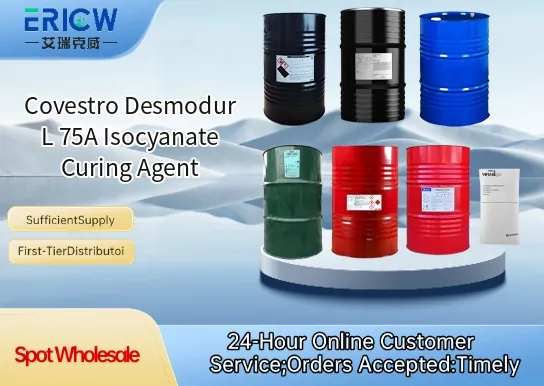
Low-viscosity aliphatic polyisocyanate blend based on HDI (hexamethylene diisocyanate) trimer.
Non-yellowing performance ideal for UV-stable and weather-resistant coatings.
Excellent compatibility with hydroxyl-functional acrylics, polyesters, and polycarbonates.
Fast-reacting at ambient temperature with good pot life control for industrial coating processes.
Compliant with REACH and meets VOC-reduction requirements for high-solids formulations.
Automotive clearcoats and basecoat/clearcoat systems.
Industrial maintenance coatings for metal and plastic substrates.
High-performance wood finishes requiring gloss retention and scratch resistance.
Plastic coatings for exterior automotive trim and consumer electronics housings.
UV-curable hybrid systems where thermal crosslinking support is needed.
| Chemical Type | Aliphatic HDI-based polyisocyanate (trimer) |
| Product Form | Liquid |
| Appearance | Colorless to pale yellow transparent liquid |
| NCO Content (wt %) | 15.5–16.5 |
| Viscosity at 25 °C (mPa·s) | 800–1,200 |
| Density at 20 °C (g/cm³) | 1.14–1.17 |
| Solvent | Acetate-based (e.g., butyl acetate) |
| Primary Applications | Two-component polyurethane coatings |
Q1: What is the primary function of Desmodur L 75A in coating and adhesive formulations?
A: Desmodur L 75A is a low-viscosity aliphatic polyisocyanate curing agent designed to react with hydroxyl-functional resins (e.g., acrylics, polyesters, or polyethers) to form durable, flexible, and weather-resistant polyurethane networks. It enables ambient- or low-bake cure profiles while maintaining excellent gloss retention and UV stability.
Q2: Is Desmodur L 75A suitable for high-solids or solvent-reduced systems?
A: Yes — its low viscosity and high NCO content make it well-suited for high-solids, low-VOC, and solvent-reduced formulations. It helps achieve target reactivity and film properties without requiring excessive diluent, supporting formulation efficiency and regulatory compliance goals.
Q3: How does Desmodur L 75A compare to aromatic isocyanates in terms of yellowing and outdoor performance?
A: As an aliphatic isocyanate, Desmodur L 75A delivers superior resistance to UV-induced discoloration and chalking compared to aromatic alternatives. It is widely selected for applications where long-term color stability and gloss retention under outdoor exposure are critical — such as automotive clearcoats, industrial maintenance coatings, and premium architectural finishes.
Q4: What are typical handling and storage recommendations for Desmodur L 75A?
A: Store in tightly sealed containers under dry, cool conditions (preferably below 30 °C) and protect from moisture, heat, and direct sunlight. Due to its sensitivity to humidity, always use dry air or nitrogen blanketing during transfer and dispensing. Avoid prolonged exposure to ambient air during handling to prevent gelation or viscosity increase.
Q5: Can Desmodur L 75A be used in food-contact or potable water applications?
A: Desmodur L 75A is not pre-approved for direct food-contact or potable water applications. Its suitability for such uses depends on full system evaluation, including final cured film testing and compliance with applicable regional regulations. Customers must conduct thorough validation and consult Covestro’s regulatory documentation before considering such applications.
Contact With Us:
E-mail: wangxingqiang@ericwchem.com
Have a Questions? Call Us:
Add:
Building A1, Jiete Industrial Park, Huangpu District, Guangzhou City, Guangdong Province, China