English
 Español
 tiếng việt
 русский
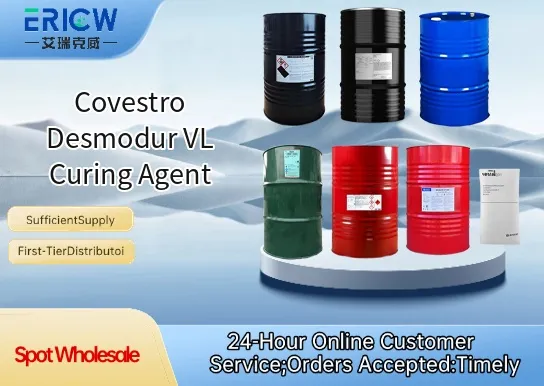
Aliphatic polyisocyanate-based curing agent offering excellent UV stability and color retention.
Low-viscosity liquid formulation enabling easy handling, precise metering, and efficient mixing with hydroxyl-functional resins.
Fast-reacting at ambient and elevated temperatures, supporting high-throughput industrial coating processes.
Complies with stringent VOC regulations and offers reduced hazard classification compared to aromatic isocyanates.
Delivers superior mechanical properties—including hardness, flexibility, and chemical resistance—in cured film systems.
High-performance automotive clearcoats and basecoats requiring long-term gloss and weatherability.
Industrial maintenance coatings for metal substrates in architectural and infrastructure applications.
Plastic coatings for exterior automotive components and consumer electronics housings.
Wood coatings demanding low-yellowing performance and excellent scratch resistance.
UV-resistant coil coatings for pre-finished metal sheets used in building façades and appliances.
| Chemical Type | Aliphatic polyisocyanate (hexamethylene diisocyanate trimer) |
| Product Form | Liquid |
| Appearance | Clear, pale yellow liquid |
| NCO Content (wt %) | 15.5 – 16.5 |
| Viscosity at 25°C (mPa·s) | 800 – 1,200 |
| Specific Gravity (20°C) | 1.18 – 1.22 |
| Solvent Content | None (100% solids) |
| Primary Applications | Two-component polyurethane coatings for automotive, industrial, and plastic substrates |
Q1: What is the primary function of Desmodur VL in coating and adhesive formulations?
A: Desmodur VL is a low-viscosity aliphatic polyisocyanate curing agent designed to react with hydroxyl-functional resins (e.g., polyesters, acrylics, or polyethers) to form durable, weather-resistant polyurethane networks. It enables ambient- or low-bake cure profiles while supporting excellent gloss retention and yellowing resistance.
Q2: Is Desmodur VL suitable for high-solids or solvent-reduced systems?
A: Yes — its inherently low viscosity and high NCO content make it well-suited for high-solids formulations. It helps reduce overall solvent demand without compromising pot life or film formation, supporting more sustainable coating design.
Q3: How does Desmodur VL compare to aromatic isocyanates in terms of UV stability and color retention?
A: As an aliphatic curing agent, Desmodur VL delivers superior UV stability and non-yellowing performance compared to aromatic alternatives (e.g., TDI or MDI derivatives). This makes it preferred for topcoats and applications where long-term clarity and color fidelity are critical.
Q4: What storage conditions are recommended to maintain product integrity?
A: Store in tightly sealed original containers under dry, cool conditions (ideally below 30 °C), protected from moisture, heat, and direct sunlight. Prolonged exposure to humidity may lead to gelation or reduced reactivity due to premature reaction with water.
Q5: Can Desmodur VL be used in food-contact or pharmaceutical packaging coatings?
A: Desmodur VL is not pre-approved for direct food-contact applications. Its suitability depends on full formulation compliance with applicable regional regulations and thorough migration testing — users must validate final cured system safety with qualified regulatory experts.
Contact With Us:
E-mail: wangxingqiang@ericwchem.com
Have a Questions? Call Us:
Add:
Building A1, Jiete Industrial Park, Huangpu District, Guangzhou City, Guangdong Province, China