English
 Español
 tiếng việt
 русский
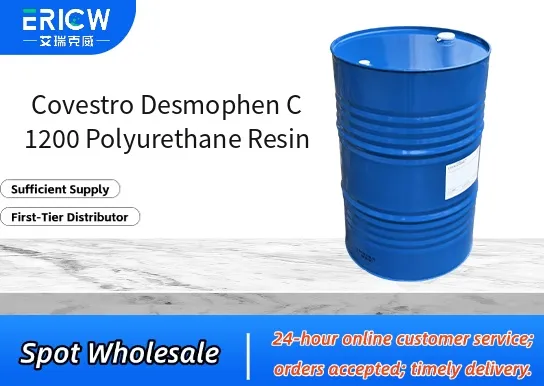
Aliphatic polyol-based resin offering excellent UV stability and color retention.
Low viscosity for easy handling, mixing, and processing in multi-component systems.
High compatibility with isocyanates (e.g., HDI trimer, IPDI) enabling robust crosslinking.
Delivers outstanding mechanical properties including abrasion resistance and flexibility.
Designed for solventborne and high-solids coating formulations requiring low VOC compliance.
Automotive clearcoats and topcoats requiring long-term gloss and weather resistance.
Industrial maintenance coatings for metal and concrete substrates.
High-performance wood finishes in furniture and flooring applications.
Plastic coatings for exterior automotive trim and consumer electronics housings.
Coil coatings where durability, flexibility, and processability are critical.
| Chemical Type | Aliphatic polyester polyol |
| Product Form | Liquid resin |
| Appearance | Clear to slightly yellow viscous liquid |
| Hydroxyl Value (mg KOH/g) | 54–60 |
| Acid Value (mg KOH/g) | ≤ 2.0 |
| Viscosity @ 25°C (mPa·s) | 3,500–5,500 |
| Density @ 25°C (g/cm³) | 1.12–1.16 |
| Solvent Content | Non-solventborne (100% reactive solids) |
Q1: What is the primary function of Desmophen C 1200 in polyurethane formulations?
A: Desmophen C 1200 is a low-viscosity, aliphatic polyester-based polyol designed to serve as a reactive co-component in two-component polyurethane systems. It contributes flexibility, hydrolytic stability, and good weather resistance to final coatings, adhesives, and elastomers.
Q2: Is Desmophen C 1200 compatible with aromatic and aliphatic isocyanates?
A: Yes — Desmophen C 1200 is broadly compatible with both aromatic (e.g., MDI, TDI) and aliphatic (e.g., HDI, IPDI) isocyanates. Its reactivity profile supports formulation flexibility, though cure speed and final properties will vary depending on the selected isocyanate and catalyst system.
Q3: How should Desmophen C 1200 be stored to maintain stability?
A: Store in tightly sealed original containers under dry, cool conditions (typically below 30 °C), protected from moisture and direct sunlight. Prolonged exposure to humidity or elevated temperatures may lead to viscosity increase or gelation due to unintended reaction with ambient moisture.
Q4: Can Desmophen C 1200 be used in solvent-free or high-solids PU systems?
A: Yes — its relatively low viscosity and high functionality make it well-suited for solvent-free, high-solids, and even UV-curable hybrid polyurethane systems, where it helps balance reactivity, film formation, and mechanical performance without excessive diluent addition.
Q5: Does Desmophen C 1200 require special handling precautions during processing?
A: Standard industrial handling practices for polyols apply: use in well-ventilated areas, avoid inhalation of mists or vapors, and wear appropriate personal protective equipment (e.g., nitrile gloves, safety goggles). While not classified as highly hazardous, skin contact should be minimized to prevent potential irritation or sensitization over repeated exposure.
Contact With Us:
E-mail: wangxingqiang@ericwchem.com
Have a Questions? Call Us:
Add:
Building A1, Jiete Industrial Park, Huangpu District, Guangzhou City, Guangdong Province, China