English
 Español
 tiếng việt
 русский
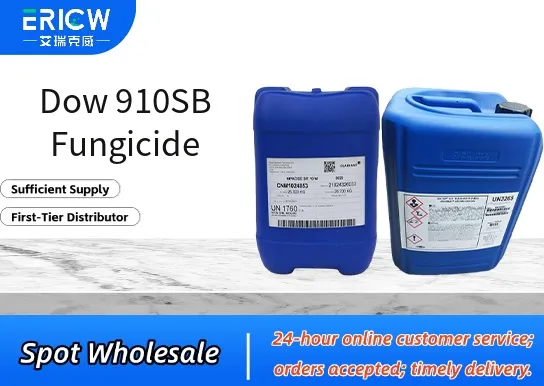
Broad-spectrum activity against key fungal pathogens including Aspergillus, Penicillium, and Cladosporium species.
Stable under alkaline conditions commonly found in industrial water systems and coatings formulations.
Low volatility and minimal odor, supporting safe handling in enclosed or sensitive manufacturing environments.
Compatible with a wide range of polymers, latexes, and water-based formulations without compromising performance.
Effective at low use concentrations (50–200 ppm), delivering cost-efficient long-term protection.
Preservation of water-based architectural and industrial paints and coatings.
Protection of adhesives, caulks, and sealants during storage and service life.
Anti-fungal treatment for paper and paperboard products in humid environments.
Stabilization of polymer emulsions and dispersion systems in manufacturing processes.
Mold inhibition in non-woven textiles and building materials such as gypsum board joint compounds.
| Chemical Type | Isothiazolinone-based biocide (active ingredient: 4,5-dichloro-2-n-octyl-4-isothiazolin-3-one) |
| Product Form | Liquid concentrate |
| Appearance | Clear to slightly hazy, pale yellow liquid |
| pH (1% aqueous solution) | 2.5–4.0 |
| Density (20°C) | 1.08–1.12 g/cm³ |
| Solubility | Completely miscible with water and common polar organic solvents |
| Primary Applications | Industrial preservation, paint & coating stabilization, polymer emulsion protection |
| Key Features | Broad-spectrum fungicidal efficacy, thermal stability up to 60°C, low ecotoxicity profile |
Q1: What types of formulations is Dow 910SB Fungicide typically used in?
A: Dow 910SB Fungicide is primarily formulated into water-based industrial coatings, adhesives, sealants, and construction materials where long-term protection against mold, mildew, and fungal degradation is required.
Q2: Is Dow 910SB Fungicide compatible with common polymer systems and additives?
A: Yes, it demonstrates broad compatibility with acrylics, vinyl acetate copolymers, styrene-butadiene latexes, and many common thickeners, defoamers, and pH stabilizers—though compatibility testing under actual formulation conditions is recommended prior to full-scale use.
Q3: How does Dow 910SB Fungicide perform under varying pH and temperature conditions?
A: It maintains fungicidal efficacy across a typical formulation pH range of 4–10 and remains stable during standard storage and processing temperatures; prolonged exposure to extreme heat (>60 °C) or highly acidic environments may affect performance over time.
Q4: What is the recommended dosage range for effective fungal control?
A: Dosage depends on the specific formulation matrix and end-use requirements, but it is typically used at low concentrations—generally ranging from 0.1% to 2% by weight—to achieve robust, persistent antifungal activity without compromising physical properties.
Contact With Us:
E-mail: wangxingqiang@ericwchem.com
Have a Questions? Call Us:
Add:
Building A1, Jiete Industrial Park, Huangpu District, Guangzhou City, Guangdong Province, China