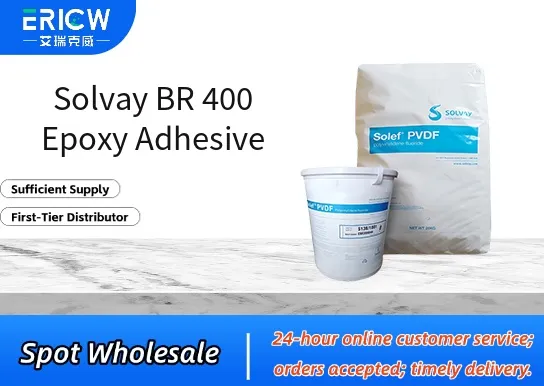
High-performance, one-component, moisture-curing silicone adhesive with excellent adhesion to challenging substrates including plastics, metals, and painted surfaces.
Offers outstanding resistance to thermal cycling, UV exposure, and long-term weathering without cracking or embrittlement.
Low modulus formulation provides superior flexibility and stress relief for bonded assemblies subject to vibration or thermal expansion.
Non-corrosive and acetoxy-free cure chemistry—safe for use with sensitive electronic components and optical materials.
Good flow and gap-filling capability with controllable tack time, enabling reliable manual or automated dispensing.
Automotive lighting assembly—including headlamp and taillamp bonding of polycarbonate lenses to metal or plastic housings.
Electronics encapsulation and gasketing for outdoor sensors, control units, and LED modules requiring environmental sealing.
Architectural glazing and façade systems where durable, elastic bonding of glass, aluminum, and coated substrates is required.
Appliance manufacturing for bonding decorative trims, control panels, and internal structural components exposed to temperature fluctuations.
Medical device assembly for non-invasive enclosures and housings requiring biocompatibility-supporting processing and low extractables.
| Chemical Type | One-part, condensation-cure, acetoxy-free silicone adhesive |
| Product Form | Paste-like, thixotropic, ready-to-use cartridge material |
| Appearance | Opaque white to off-white paste |
| Primary Applications | Structural bonding, sealing, and gasketing in automotive, electronics, and architectural markets |
| Key Features | Flexible, non-corrosive, UV-stable, good substrate adhesion, moisture-curing |
| Benefits | Reduces assembly complexity, eliminates need for primers on many substrates, supports high-speed production |
| Cure Mechanism | Moisture-cured at ambient temperature; full cure typically achieved within 7 days (depends on thickness and humidity) |
| Storage Conditions | Store in original unopened container at 10–25°C; protect from moisture and direct sunlight |
Q1: What substrates does DOWSIL 7278 adhere to effectively?
A: DOWSIL 7278 exhibits strong adhesion to a broad range of substrates including glass, aluminum, stainless steel, and many engineering plastics. Surface preparation—such as cleaning and, where appropriate, priming—is recommended to ensure optimal bond performance.
Q2: Is DOWSIL 7278 suitable for high-temperature applications?
A: Yes, DOWSIL 7278 is formulated to maintain structural integrity and flexibility across a wide service temperature range, typically from –55 °C to +200 °C, with short-term exposure capability up to 250 °C depending on application conditions.
Q3: How long does it take for DOWSIL 7278 to cure under standard conditions?
A: DOWSIL 7278 cures via moisture-cure chemistry at ambient temperature and humidity. Initial tack develops within minutes, while full cure to handling strength typically occurs within 24–72 hours, depending on joint thickness, temperature, and relative humidity.
Q4: Can DOWSIL 7278 be painted or overcoated after curing?
A: Yes, fully cured DOWSIL 7278 is generally compatible with many solvent-based and waterborne paints and coatings. Compatibility testing under intended end-use conditions is recommended prior to full-scale application.
Contact With Us:
E-mail: wangxingqiang@ericwchem.com
Have a Questions? Call Us:
Add:
Building A1, Jiete Industrial Park, Huangpu District, Guangzhou City, Guangdong Province, China
 English
 Español
 tiếng việt
 русский