English
 Español
 tiếng việt
 русский
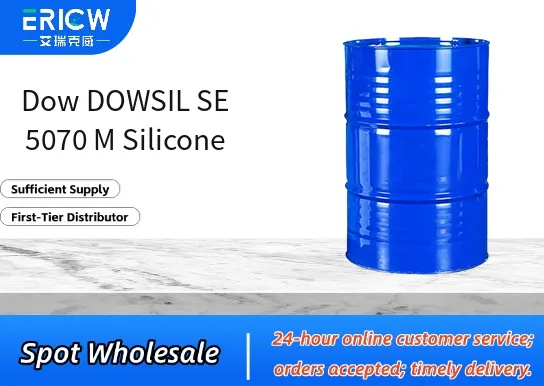
High-performance, one-component, moisture-curing silicone sealant with excellent adhesion to glass, aluminum, and painted metal substrates.
Low modulus formulation provides superior flexibility and stress relief in dynamic joint applications.
Excellent resistance to UV radiation, ozone, and extreme temperature cycling (-40 °C to +150 °C).
Non-corrosive and acetoxy-free chemistry, safe for sensitive electronic and architectural components.
Good skin-over time and deep-section cure capability for reliable performance in varied ambient conditions.
Structural glazing sealant for curtain wall and façade systems.
Weatherproofing and sealing of aluminum composite panels (ACP) and metal cladding joints.
Sealing and bonding in transportation applications including rail car windows and bus glazing.
Industrial assembly where durable, flexible, non-corrosive adhesion is required on diverse substrates.
Secondary sealing in photovoltaic module manufacturing and solar frame assembly.
| Chemical Type | Acetoxy-cure silicone polymer |
| Product Form | Thixotropic paste in cartridge or sausage packaging |
| Appearance | Opaque white or translucent gray paste |
| Primary Applications | Structural glazing, architectural sealing, industrial bonding |
| Key Features | Low modulus, UV stable, non-corrosive, deep-section cure |
| Benefits | Reduced substrate stress, long-term weather resistance, compatibility with sensitive materials |
| Cure Mechanism | Moisture-curing at room temperature |
| Shelf Life | 12 months unopened under recommended storage conditions (≤25 °C, dry) |
Q1: What is the primary function of DOWSIL SE 5070 M in coating and ink formulations?
A: DOWSIL SE 5070 M is a silicone-based surface additive designed to improve substrate wetting, reduce surface defects (e.g., craters and orange peel), and enhance gloss and leveling in solventborne and high-solids coatings, as well as printing inks.
Q2: Is DOWSIL SE 5070 M compatible with UV-curable systems?
A: Yes, it is generally compatible with UV-curable acrylate systems; however, compatibility and performance should be verified in the final formulation due to potential interactions with photoinitiators or reactive diluents.
Q3: How should DOWSIL SE 5070 M be incorporated into a formulation?
A: It is typically added during the let-down or post-addition stage under moderate agitation. Pre-dilution in a compatible solvent may aid dispersion, especially in low-viscosity systems.
Q4: Does DOWSIL SE 5070 M affect intercoat adhesion or overcoatability?
A: When used within recommended dosage ranges, it generally does not impair intercoat adhesion; however, excessive addition may lead to surface enrichment that interferes with subsequent layers—formulation-specific testing is advised.
Contact With Us:
E-mail: wangxingqiang@ericwchem.com
Have a Questions? Call Us:
Add:
Building A1, Jiete Industrial Park, Huangpu District, Guangzhou City, Guangdong Province, China