English
 Español
 tiếng việt
 русский
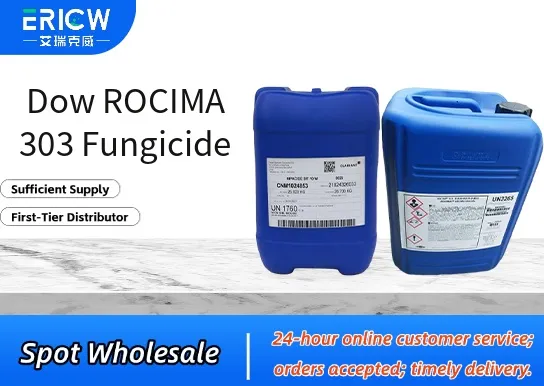
Broad-spectrum efficacy against key fungal contaminants including Aspergillus, Penicillium, and Cladosporium.
Low-use concentration enables cost-effective preservation in water-based industrial formulations.
pH-stable performance across a wide range (pH 4–10), ensuring compatibility with diverse formulation chemistries.
Non-volatile and non-leaching, providing long-term protection without migration or odor issues.
Designed for low environmental impact with favorable aquatic toxicity profile per OECD guidelines.
Preservation of architectural coatings and interior paints.
Protection of adhesives and sealants during storage and service life.
Stabilization of water-based inks and inkjet formulations.
Microbiological control in metalworking fluids and cutting oils.
Anti-fungal treatment in construction mortars and grouts.
| Chemical Type | Isothiazolinone-based biocide blend |
| Product Form | Aqueous solution |
| Appearance | Clear, light yellow liquid |
| Active Ingredient Content | 3.0% w/w total isothiazolinones |
| Density (20°C) | 1.08–1.12 g/cm³ |
| Solubility | Completely miscible with water and common polar solvents |
| Storage Stability | ≥24 months at 5–30°C in original unopened container |
| Primary Applications | Industrial preservation in water-based systems |
Q1: What is the primary mode of action of Dow ROCIMA 303 Fungicide?
A: Dow ROCIMA 303 is a broad-spectrum fungicide based on an isothiazolinone chemistry, acting primarily through inhibition of key enzymatic processes essential for fungal cell metabolism and energy production.
Q2: In which types of industrial formulations is Dow ROCIMA 303 typically used?
A: It is widely applied in water-based industrial products such as metalworking fluids, latex paints, adhesives, construction slurries, and cleaning concentrates—especially where long-term microbial stability and resistance to spoilage organisms are critical.
Q3: How should Dow ROCIMA 303 be incorporated into a formulation?
A: It is generally added during the final stage of manufacturing, after pH adjustment and cooling, to ensure optimal stability and compatibility. Dosage depends on formulation requirements but typically ranges from 0.1% to 2% by weight, with efficacy influenced by pH, temperature, and microbial load.
Q4: Is Dow ROCIMA 303 compatible with common biocides or preservatives used in industrial systems?
A: Yes, it often shows synergistic or additive effects when combined with other preservation agents such as formaldehyde donors or benzisothiazolinones—however, compatibility testing under actual formulation conditions is strongly recommended prior to full-scale implementation.
Contact With Us:
E-mail: wangxingqiang@ericwchem.com
Have a Questions? Call Us:
Add:
Building A1, Jiete Industrial Park, Huangpu District, Guangzhou City, Guangdong Province, China