English
 Español
 tiếng việt
 русский
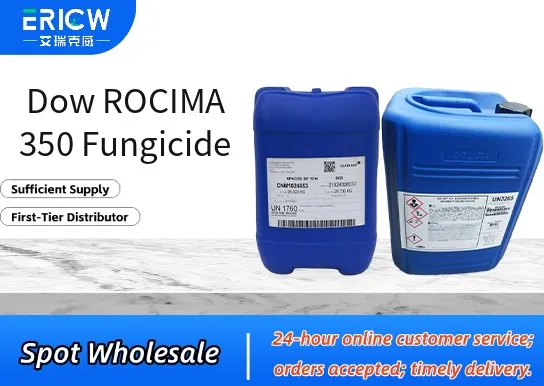
Broad-spectrum fungicidal activity against key spoilage fungi including Aspergillus, Penicillium, and Cladosporium.
Stable across a wide pH range (pH 4–10), ensuring compatibility with diverse formulation systems.
Low volatility and minimal odor, supporting safe handling in enclosed manufacturing environments.
Effective at low use concentrations (typically 0.05–0.2% w/w), delivering cost-efficient preservation.
Non-oxidizing chemistry, reducing risk of product discoloration or degradation in sensitive matrices.
Preservation of water-based architectural coatings and decorative paints.
Protection of industrial adhesives and sealants against fungal colonization.
Stabilization of latex emulsions and polymer dispersions during storage and transport.
Antifungal safeguard for construction chemicals, including grouts and tile adhesives.
Long-term microbial control in non-ionic surfactant systems and cleaning formulations.
| Chemical Type | Isothiazolinone-based biocide (mixture of 2-methylisothiazolinone and 5-chloro-2-methylisothiazolinone) |
| Product Form | Aqueous solution |
| Appearance | Clear, pale yellow liquid |
| pH (1% aqueous solution) | 2.5–4.5 |
| Density (20°C) | 1.08–1.12 g/cm³ |
| Solubility | Miscible with water and many polar organic solvents |
| Primary Applications | Industrial preservative for water-based coatings, adhesives, and construction chemicals |
| Key Features | Fast-acting, broad-spectrum antifungal efficacy with low mammalian toxicity profile |
Q1: What is the primary mode of action of Dow ROCIMA 350 Fungicide?
A: Dow ROCIMA 350 Fungicide functions as a broad-spectrum fungistatic agent, primarily inhibiting fungal growth through interference with essential cellular processes, including membrane integrity and metabolic activity. Its efficacy is optimized in aqueous systems where sustained protection against common spoilage fungi is required.
Q2: In which types of industrial formulations is Dow ROCIMA 350 typically used?
A: It is commonly incorporated into water-based industrial products such as metalworking fluids, latex paints, adhesives, caulks, and architectural coatings—particularly where long-term microbial stability during storage and in-use conditions is critical. It is not intended for food-contact or pharmaceutical applications without further regulatory evaluation.
Q3: How should Dow ROCIMA 350 be incorporated into a formulation?
A: It is recommended to add Dow ROCIMA 350 during the cool-down phase of manufacturing, after high-temperature processing steps, to preserve its activity. Pre-dilution in water or compatible solvent may improve dispersion. Compatibility testing with other formulation components—including surfactants, thickeners, and other biocides—is advised prior to full-scale implementation.
Q4: Is Dow ROCIMA 350 compatible with common preservative systems used in industrial applications?
A: Dow ROCIMA 350 generally demonstrates good compatibility with many non-oxidizing biocides and stabilizers used in industrial formulations. However, synergistic or antagonistic interactions may occur depending on pH, ionic strength, and co-presence of specific actives—so laboratory-scale compatibility and challenge testing is strongly recommended before combining with other preservation agents.
Contact With Us:
E-mail: wangxingqiang@ericwchem.com
Have a Questions? Call Us:
Add:
Building A1, Jiete Industrial Park, Huangpu District, Guangzhou City, Guangdong Province, China